

Why Gross Margin Trends Matter
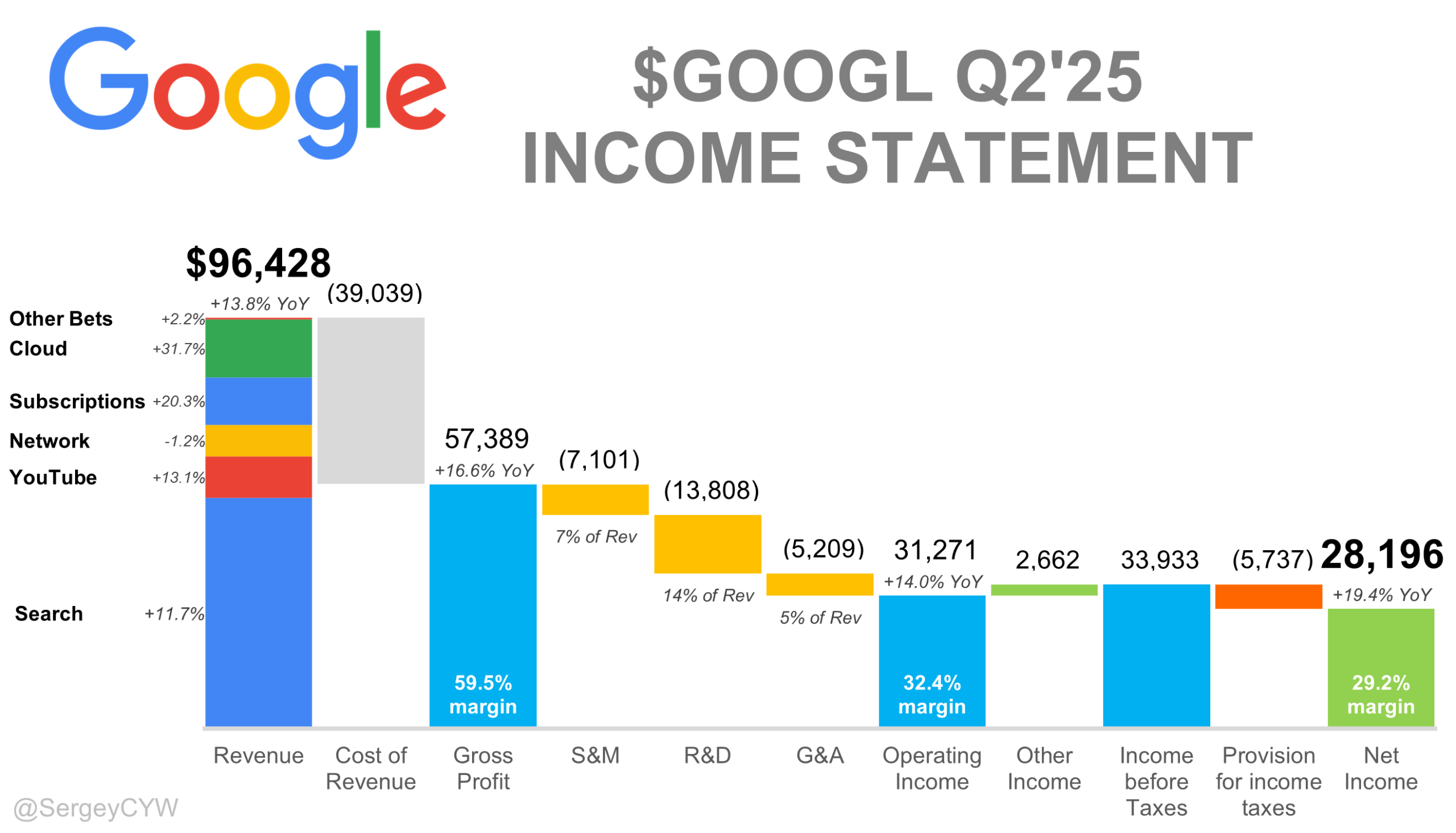
The gross margin trends of a company provide a clear insight into its competitive positioning in the market. It is a crucial factor for investors as it can shed light on the company’s profitability, efficiency, and financial health in the face of competition.
Analysing Key Business Drivers
One of the key drivers affecting gross margin trends is the cost of goods sold (COGS). An increase in COGS can lower gross margins, potentially indicating increased competition. On the other hand, a decrease in COGS could signify improved operational efficiency or a competitive advantage.
Expectations vs Reality
Investors often expect that a company with a consistently high gross margin is in a strong competitive position. However, this may not always be the case. High gross margins could also be a result of temporary factors such as a lack of competition or high demand for a unique product. Therefore, it’s important to consider other factors such as market saturation, product life cycle, and competitive landscape.
What Could Go Wrong
There are several risks associated with relying solely on gross margin trends for investment decisions. One such risk is the potential for market saturation, which can lead to decreased demand and increased competition, ultimately lowering gross margins. Additionally, changes in the cost of production or supplier prices can also negatively affect gross margins.
Long-term Perspective
While short-term fluctuations in gross margins might indicate temporary market conditions, a long-term perspective can help reveal more about a company’s competitive position. A consistent trend of high gross margins over several years could suggest a robust business model and a sustainable competitive advantage.
Investor Tips
- Look beyond the gross margin figure and analyze other financial metrics and market factors.
- Consider the company’s long-term gross margin trends rather than short-term fluctuations.
- Be aware of the risks associated with relying solely on gross margin trends for investment decisions.
Disclaimer: This article is for informational purposes only and should not be considered as investment advice. Always conduct your own research or consult with a professional before making investment decisions.



Leave a Reply