

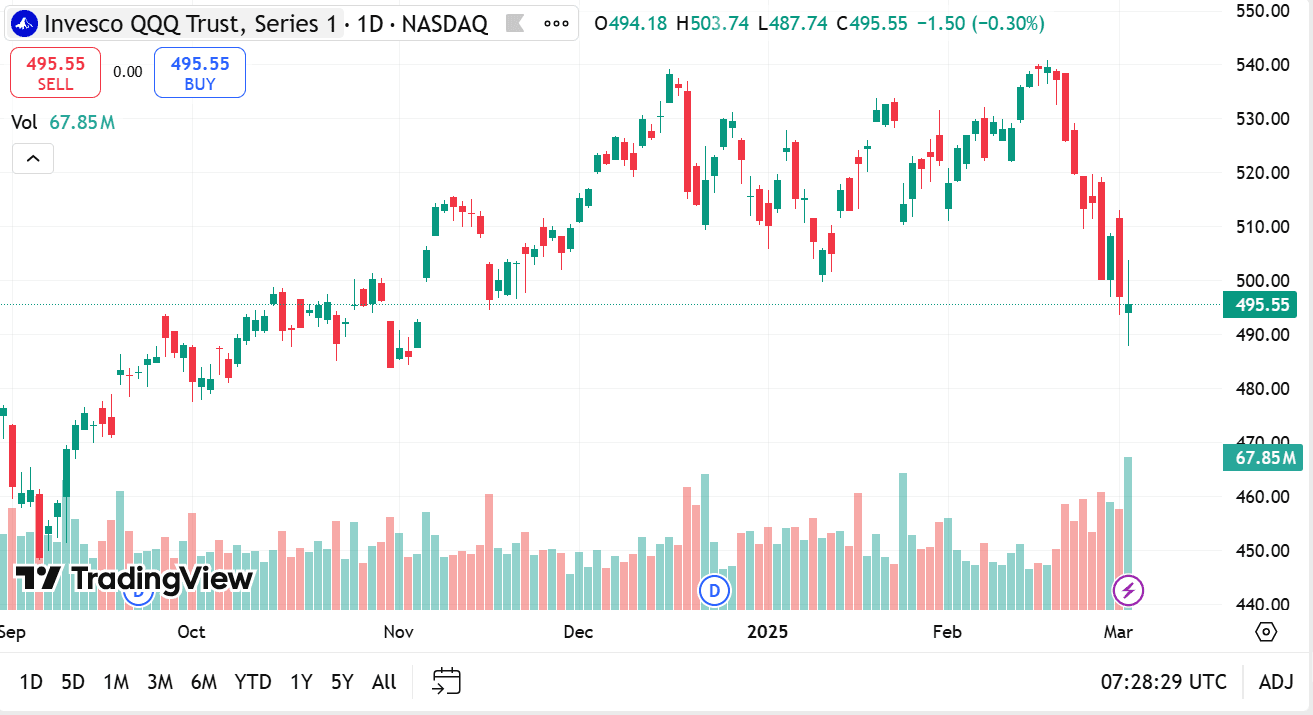
Why Valuation Ranges Matter to Investors
In the ever-changing world of stock investing, understanding the concept of valuation ranges is crucial. It provides a more realistic picture of a company’s potential value, taking into account the inherent uncertainties of business performance and market dynamics. This approach allows investors to make informed decisions and mitigate risks associated with over or under-valuing a stock.
Analysis of Key Financial Drivers
Several financial metrics and business drivers play a key role in determining valuation ranges. These include revenue growth, profit margins, cash flows, and return on investment. Changes in these metrics can significantly impact a company’s valuation. For example, a higher than expected revenue growth can increase the valuation range, while a decrease in profit margins can lower it.
Expectations vs Reality
Investors often base their valuation on future earnings expectations. However, these expectations can sometimes be overly optimistic or pessimistic. An understanding of valuation ranges can help investors assess whether current market prices accurately reflect a company’s potential value. If the stock price is below the lower end of the valuation range, it could indicate a potential investment opportunity. Conversely, if it’s above the upper end, it might be overpriced.
What Could Go Wrong
While valuation ranges provide a helpful framework, they are not foolproof. Market volatility, unexpected changes in business performance, or shifts in the broader economy can result in actual valuations falling outside the predicted range. Therefore, investors should not rely solely on valuation ranges but also consider other factors such as company fundamentals and market trends.
Long-Term Perspective
Despite short-term fluctuations, valuation ranges can provide valuable insights into a company’s long-term potential. By considering a range of possible outcomes, investors can better assess the long-term investment prospects and make decisions that align with their investment goals and risk tolerance.
Investor Tips
- Regularly review the key financial drivers impacting a company’s valuation range.
- Compare the current stock price with the valuation range to identify potential investment opportunities.
- Consider both short-term factors and long-term trends when assessing a company’s valuation.
Disclaimer: This article is for informational purposes only and should not be considered as investment advice. Always conduct your own research or consult with a professional advisor before making investment decisions.





Leave a Reply