

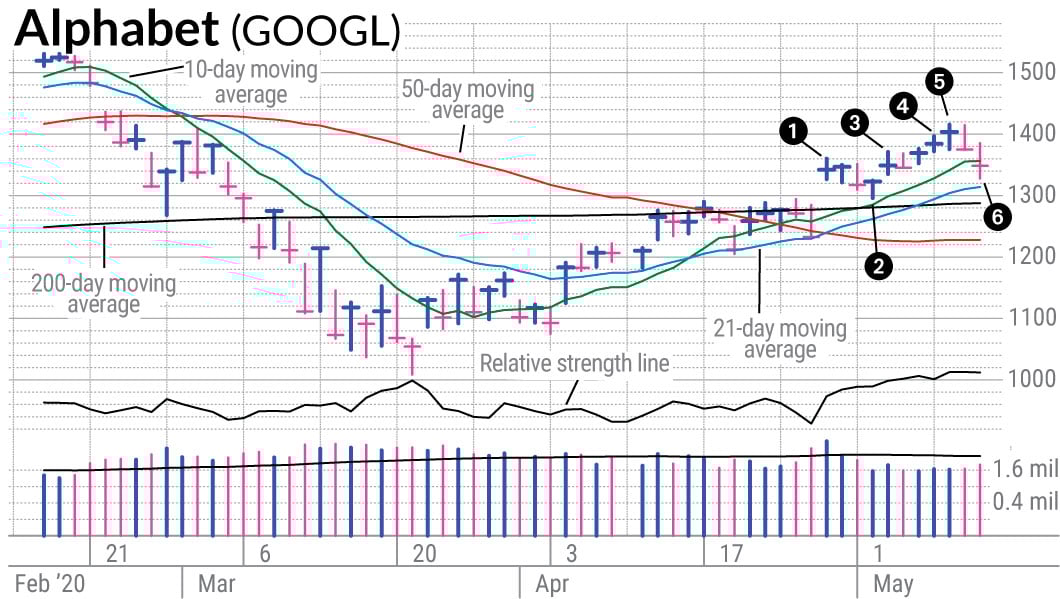
Why US Stock Valuation Matters
Valuation of stocks is a critical component in any investor’s decision-making process. The right valuation can mean the difference between a profitable investment and a financial loss. Understanding US stock valuation is particularly crucial given the scale and influence of the US stock market on global financial trends.
Key Business and Financial Drivers
Several factors can drive the valuation of US stocks. These include corporate earnings, interest rates, economic indicators, and investor sentiment. For instance, robust corporate earnings can drive up stock prices, while high interest rates can suppress them. Economic indicators like GDP growth, unemployment rates, and consumer confidence can also sway stock prices.
Earnings
Corporate earnings are a significant driver of stock prices as they reflect a company’s profitability. Higher earnings often translate to higher stock prices and vice versa.
Interest Rates
Interest rates influence stock prices by affecting the cost of borrowing. Higher interest rates can make borrowing expensive for companies, potentially reducing their profitability and stock prices.
Expectations Vs Reality
Investors often base their decisions on expectations about a company’s future performance. However, these expectations may not always align with reality. For instance, an overvalued stock might have its price inflated by investor hype, despite the company’s weak financial fundamentals. On the other hand, an undervalued stock may be overlooked despite strong financials, presenting a potential investment opportunity.
What Could Go Wrong
Several factors could negatively impact US stock valuations. These include economic downturns, corporate scandals, policy changes, and international events. For example, a sudden economic recession can trigger a market-wide sell-off, causing stock prices to plummet. Similarly, a corporate scandal can erode investor trust, leading to a steep decline in the company’s stock price.
Long-Term Perspective
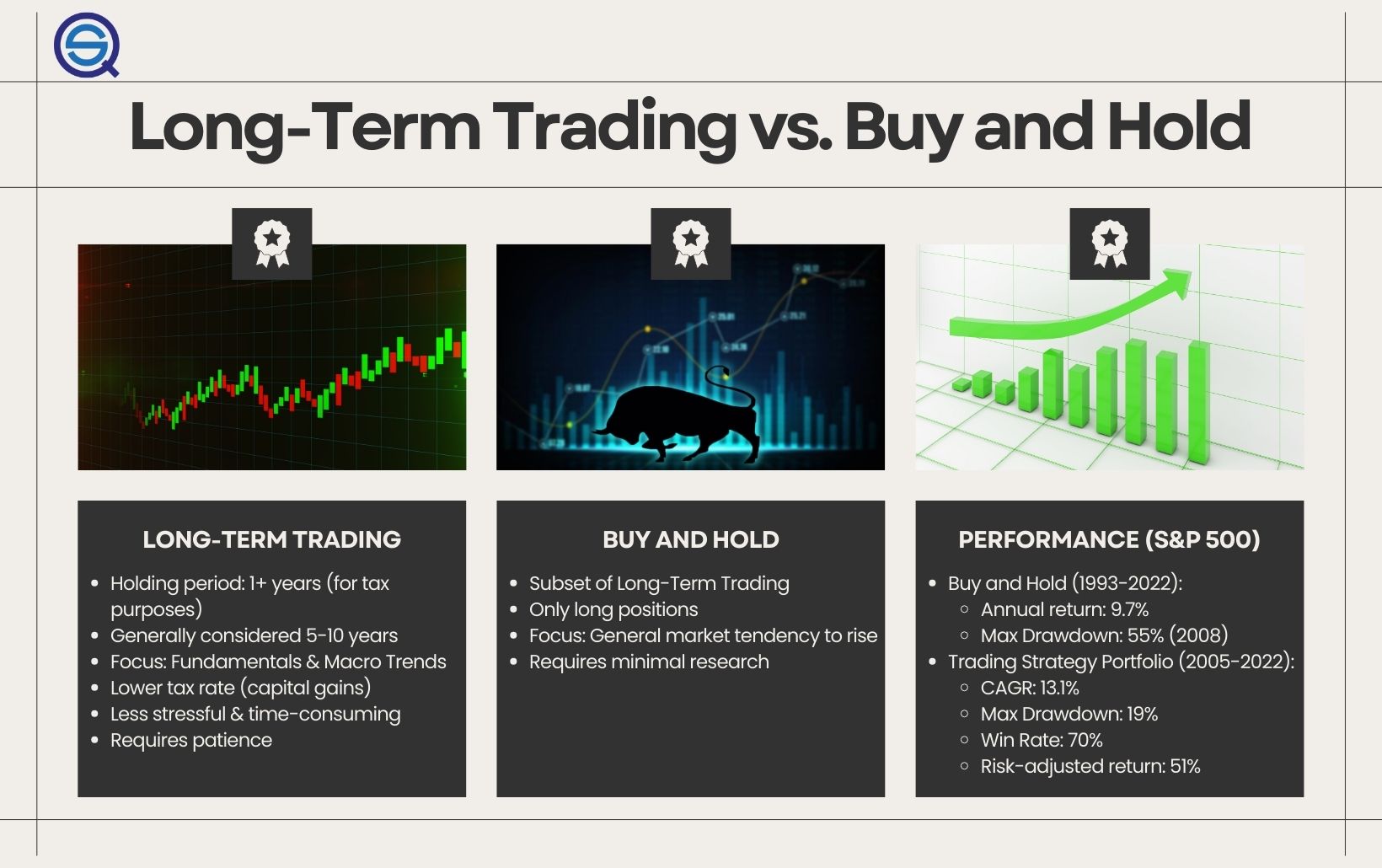
While short-term factors can cause temporary fluctuations in stock prices, long-term investors should focus on a company’s multi-year financial performance and growth potential. For instance, a temporary market downturn might present a buying opportunity for investors who believe in the long-term prospects of a company.
Investor Tips
- Stay informed about economic trends and corporate news.
- Regularly review your investment portfolio.
- Consider both the short-term and long-term prospects of a company.
This article is for informational purposes only and does not constitute investment advice. Always do your own research and consider your financial position before making investment decisions.



Leave a Reply