

Introduction
As a long-term investor, understanding the valuation ranges of potential investments is critical. It’s not just about the current price; it’s about determining whether a stock is overvalued or undervalued, based on various factors that influence its intrinsic value. This analysis will guide you in making informed decisions, leading to potentially higher returns in the long run.
Key Business or Financial Drivers
Several key business or financial drivers influence a company’s valuation range. These include earnings growth, revenue growth, operating margins, and financial health, among others. For instance, a company with a strong earnings growth and robust operating margins may demand a higher valuation range, indicating a potentially lucrative investment.
Earnings Growth
Earnings growth is a significant indicator of a company’s profitability. A consistent and high earnings growth rate often translates into a higher valuation range as it signals the company’s ability to generate profits over time.
Operating Margins
Operating margins reflect how efficiently a company turns revenues into profits. A high operating margin often results in a higher valuation range, as it demonstrates the company’s ability to generate profits from its core business operations.
Expectations vs Reality
Investors’ expectations often drive a stock’s price. However, these expectations may not always align with the company’s actual performance. For instance, a high valuation range may suggest high expectations for future earnings growth. But if the company fails to deliver, the stock’s price may drop, leading to potential losses for investors.
What Could Go Wrong
Several factors can negatively impact a stock’s valuation range. These could include a decline in earnings growth, shrinking operating margins, or changes in industry trends. Additionally, external factors such as economic downturns or regulatory changes can also adversely affect a company’s valuation range.
Long-term Perspective
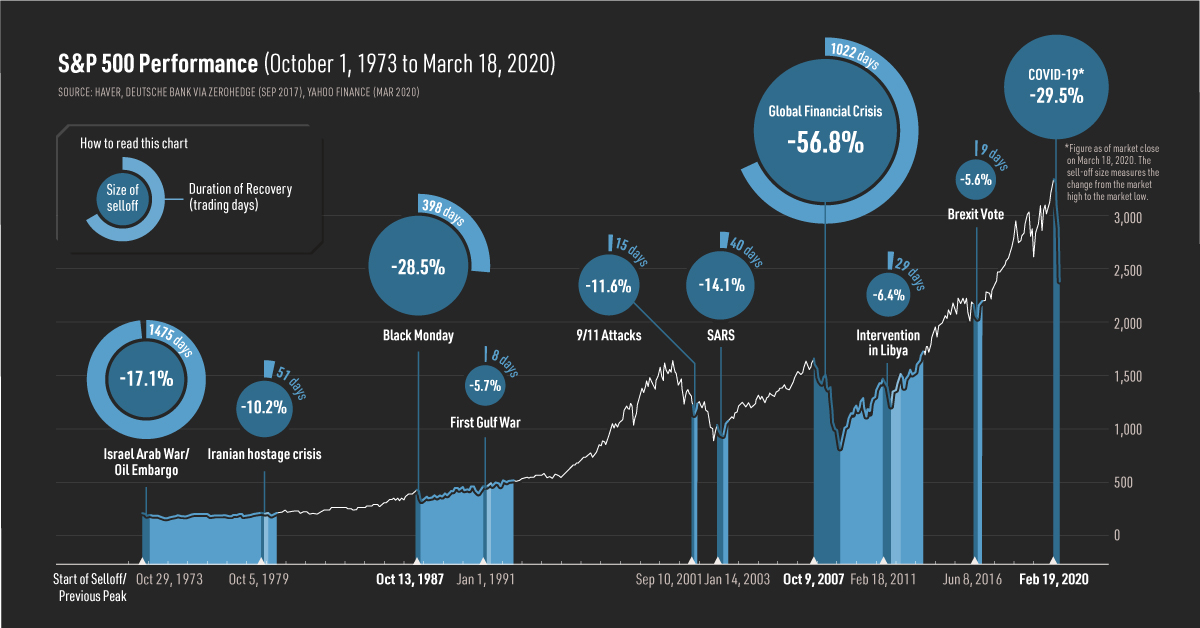
While short-term factors can influence a stock’s valuation range, it’s important to maintain a long-term perspective. Understanding that markets fluctuate and that companies go through cycles can help investors stay focused on their long-term goals and not get swayed by temporary volatility.
Investor Tips
- Always conduct thorough research and analysis before investing.
- Understand the key business or financial drivers that influence a company’s valuation range.
- Stay focused on your long-term investment goals and don’t get swayed by short-term market volatility.
This article is for informational purposes only and should not be considered financial advice. Always conduct your own research and consult with a professional financial advisor before making investment decisions.




Leave a Reply