

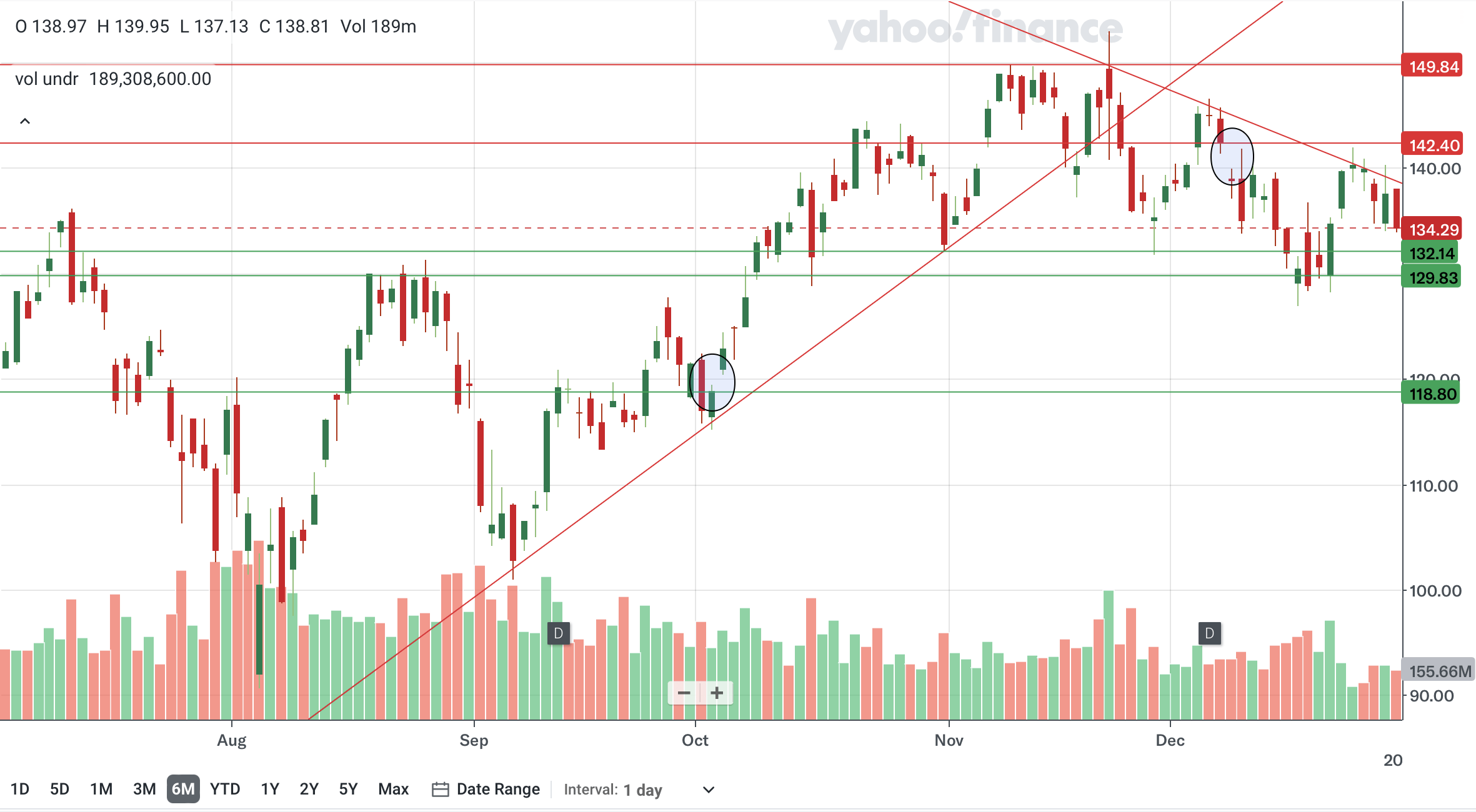
Introduction: Why Sensitivity Analysis Matters
Sensitivity analysis serves as a potent tool in the investor’s arsenal. Why? It offers a robust method to predict the potential impact of different variables on an investment’s outcome. This analytical approach allows investors to assess the risk and potential return associated with various investment scenarios, thereby aiding in making informed decisions.
Key Business and Financial Drivers
Understanding key business and financial drivers is central to sensitivity analysis. This involves identifying those factors which have the most significant impact on a company’s financial performance. For instance, these might include sales volume, commodity prices, interest rates, or exchange rates. By manipulating these variables within a sensitivity analysis, an investor can gain insights into how changes in these drivers can affect a company’s financial performance and ultimately, its stock price.
Expectations vs Reality
Investors often have specific expectations about a company’s performance based on their analysis. However, reality can diverge significantly from these expectations due to unforeseen changes in the business environment. Sensitivity analysis helps investors anticipate these potential divergences by illustrating how changes in key variables might affect a company’s performance. This proactive approach can lead to more accurate investment decisions and help mitigate potential losses.
What Could Go Wrong
While sensitivity analysis is a powerful tool, it is not foolproof. It is based on certain assumptions about a company’s operations and the business environment. If these assumptions prove incorrect, the results of the sensitivity analysis could be misleading. For instance, if an investor underestimates the potential impact of a new regulatory policy on a company’s profits, the sensitivity analysis might overstate the company’s future earnings and lead to an overvalued investment.
Long-Term Perspective
While sensitivity analysis can help investors navigate short-term fluctuations in company performance, its real value lies in its ability to inform long-term investment strategies. By considering a range of potential outcomes and their likelihoods, investors can build a diversified portfolio that can weather both short-term volatility and long-term uncertainties.
Investor Tips
- Identify key business and financial drivers that can impact your investment.
- Use sensitivity analysis to evaluate potential changes in these drivers.
- Always consider the assumptions underlying your analysis and question their validity.
- Use the results of your sensitivity analysis to inform your long-term investment strategy, not just your short-term decisions.
Disclaimer: This article is for informational purposes only and should not be considered as investment advice. Always conduct your own research before making any investment decisions.




Leave a Reply