

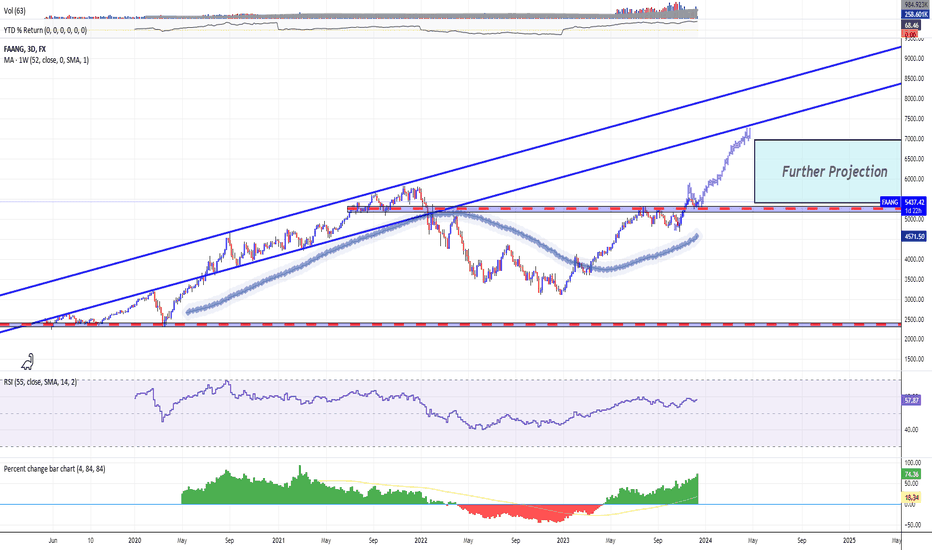
Introduction: Why Scenario-Based Valuation Matters
For long-term investors, understanding scenario-based valuation is essential. This approach allows them to assess the potential risks and rewards associated with an investment, providing a more comprehensive view of the company’s future performance. It also helps investors to make informed decisions and mitigate risks associated with market volatility.
Key Business and Financial Drivers
Several key business and financial drivers could significantly affect a company’s valuation under different scenarios. These include the company’s revenue growth rate, profit margin, capital expenditures, and changes in the competitive landscape. Understanding these drivers is crucial in scenario-based valuation as it allows investors to anticipate potential changes in a company’s value.
Revenue Growth Rate
The revenue growth rate is a critical driver in scenario-based valuation. A higher growth rate indicates a larger potential for future profits, which would increase the company’s valuation. Conversely, a lower growth rate may signal potential challenges that could negatively affect the company’s value.
Profit Margin
The profit margin is another key driver in scenario-based valuation. A higher profit margin indicates greater profitability, which would raise the company’s valuation. On the other hand, a lower profit margin may suggest potential inefficiencies that could decrease the company’s value.
Expectations vs Reality
Investors often have expectations about a company’s future performance based on its past performance and current market conditions. However, these expectations may not always align with reality. For example, a company may fail to meet revenue growth expectations due to unforeseen market changes. This discrepancy between expectations and reality can significantly impact a company’s valuation in scenario-based analysis.
What Could Go Wrong
There are several factors that could negatively affect a company’s valuation in scenario-based analysis. These include unexpected changes in market conditions, regulatory changes, or operational mishaps. For example, a sudden increase in competition could lead to a decrease in market share and, consequently, a lower valuation. Thus, it is crucial for investors to consider these potential risks when conducting scenario-based valuation.
Long-Term Perspective
While scenario-based valuation involves assessing a company’s potential value under different scenarios, it is important to maintain a long-term perspective. Short-term factors such as quarterly earnings may impact a company’s valuation in the short term, but they may not necessarily reflect the company’s long-term potential. Therefore, investors should focus on long-term factors such as the company’s strategic direction, market position, and growth potential when conducting scenario-based valuation.
Investor Tips
- Understand the key business and financial drivers that affect a company’s valuation.
- Consider potential risks and uncertainties when conducting scenario-based valuation.
- Keep a long-term perspective, focusing on factors that reflect the company’s long-term potential.
Disclaimer
This article is for informational purposes only. It is not intended to be investment advice. Please conduct your own thorough research before making any investment decisions.





Leave a Reply