

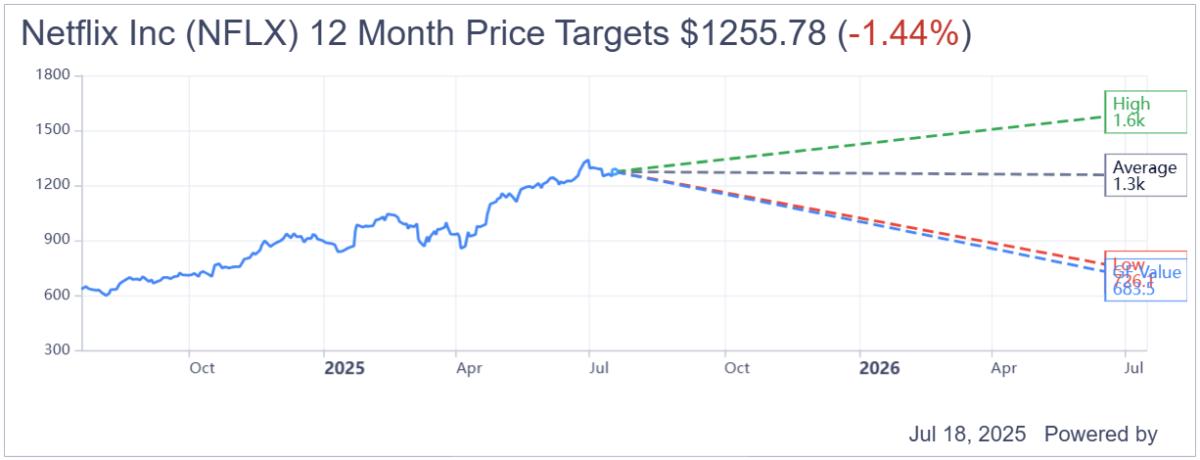
Why Multiple Compression Risk Matters
Multiple compression risk is a critical factor that long-term investors need to consider. This risk arises when a company’s earnings are growing, but its stock price doesn’t follow suit, leading to a lower Price/Earnings (P/E) ratio. It’s a reflection of the market’s changing perceptions about a company’s future earnings potential. Understanding this risk can help investors make more informed decisions and potentially avoid significant losses.
Key Business and Financial Drivers
Multiple compression can be driven by several factors, such as changes in the overall market sentiment, shifts in the industry landscape, or a company’s declining growth prospects. For instance, if a company’s competitive position weakens or its growth rate slows, investors may be less willing to pay a high multiple for its earnings, leading to multiple compression.
Expectations vs Reality
When investing, it’s essential to distinguish between the market’s expectations and the company’s actual performance. If a company consistently underperforms the market’s expectations, this could lead to multiple compression. On the other hand, if a company surpasses these expectations, it could lead to multiple expansion. Therefore, it’s crucial for investors to closely monitor a company’s performance relative to market expectations.
What Could Go Wrong
Investors need to be aware of the potential downside. For instance, if a company’s earnings growth slows down significantly or if the industry or market conditions deteriorate, this could lead to multiple compression. Additionally, if a company’s risk profile increases (for example, due to increased competition or regulatory changes), this could also lead to a decrease in its P/E multiple.
The Long-Term Perspective
While multiple compression can negatively impact a stock’s price in the short term, it’s important to remember that it doesn’t necessarily reflect the intrinsic value of a company. In the long run, a company’s stock price should reflect its earnings growth. Therefore, if a company continues to deliver strong earnings growth, it could potentially recover from multiple compression over time.
Investor Tips
- Monitor the company’s earnings growth: Consistent earnings growth can be a good indicator of a company’s health and future prospects.
- Keep an eye on market and industry trends: Changes in these areas can significantly impact a company’s P/E multiple.
- Understand the company’s risk profile: A higher risk profile can lead to multiple compression.
Disclaimer: This article is for informational purposes only and should not be taken as investment advice. Always conduct your own research before making any investment decisions.


Leave a Reply