

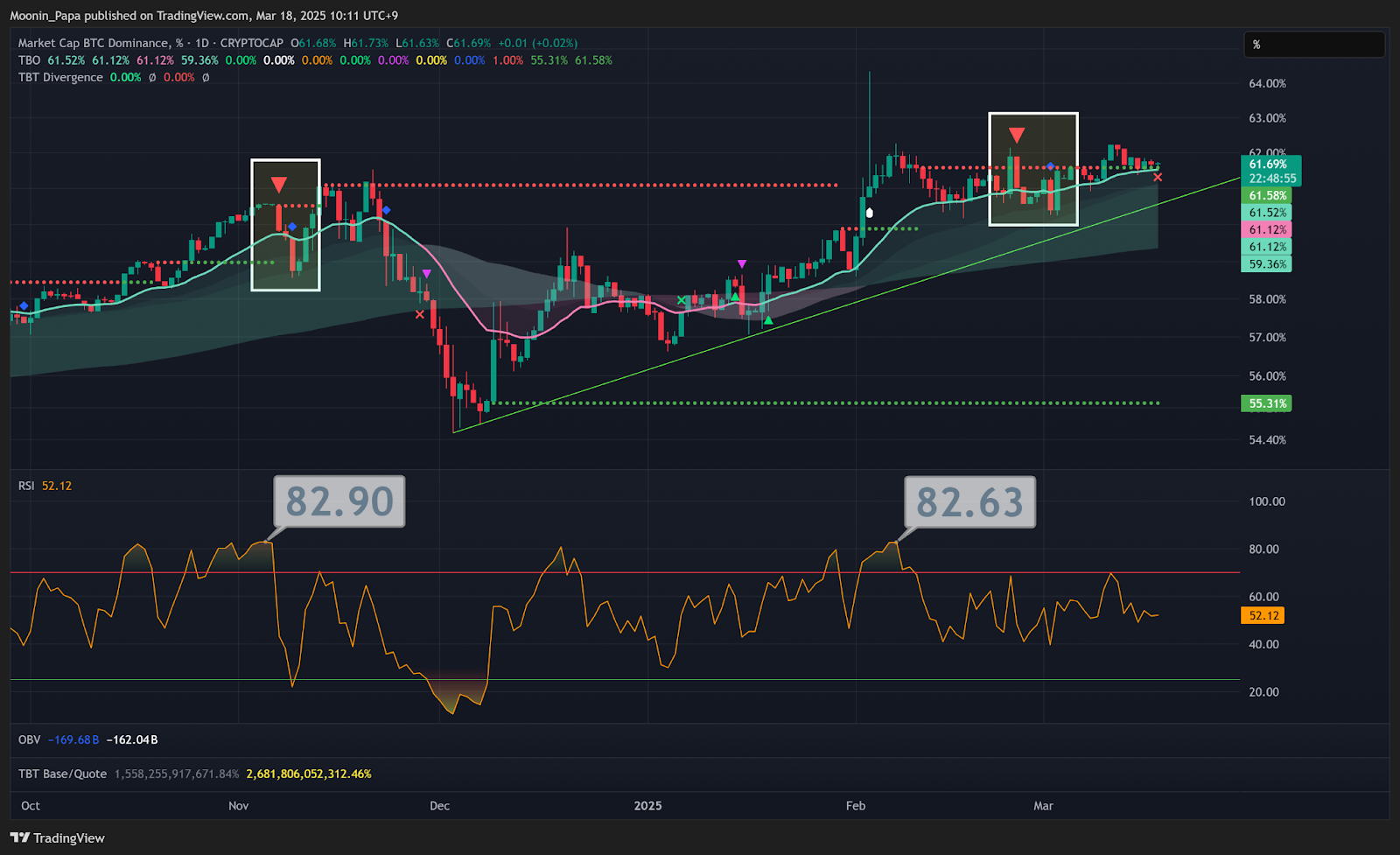
Why this Topic Matters to Investors
Investors need to understand the dynamics of market expectations and stock pricing to make informed investment decisions. This knowledge helps in predicting future stock price movements and identifying undervalued or overvalued stocks, thus guiding investment strategies.
Key Business or Financial Drivers
Several business and financial drivers, such as earnings, revenue growth, and cash flow, influence market expectations and stock pricing. For instance, a company with robust earnings growth is likely to attract positive market expectations, leading to a higher stock price. Similarly, a company with consistent cash flow may be perceived as stable, boosting investor confidence and stock price.
Earnings
Earnings are a critical driver of stock prices. Companies that consistently beat earnings estimates tend to see their stock prices rise. This is because strong earnings often signal a company’s profitability and future growth potential.
Revenue Growth
Revenue growth is another key driver of stock prices. Companies that consistently deliver strong revenue growth are likely to have positive market expectations. This is because revenue growth can indicate a company’s ability to increase its market share, attract new customers, or launch successful new products.
Expectations vs Reality
While market expectations are based on future business or financial prospects, reality can differ. For instance, a company might be expected to post robust earnings growth, but unforeseen circumstances like sudden market changes or operational setbacks might lead to lower-than-expected earnings, causing the stock price to fall. Therefore, investors must continually monitor and adjust their expectations based on actual performance and market conditions.
What Could Go Wrong
Several factors can derail market expectations and affect stock pricing. Unforeseen business challenges, such as regulatory changes, competitive pressures, or operational issues, can negatively impact a company’s earnings or revenue growth, leading to a drop in stock price. Economic factors, such as inflation or interest rate changes, can also affect stock prices.
Long-Term Perspective
While short-term factors can cause stock price fluctuations, long-term investors should focus on a company’s multi-year growth prospects and the sustainability of its business model. Understanding the dynamics of market expectations and stock pricing can help investors make informed decisions about when to buy or sell a stock for long-term wealth creation.
Investor Tips
- Monitor key business and financial drivers, such as earnings and revenue growth, to understand market expectations.
- Regularly compare market expectations with actual performance to adjust your investment strategies.
- Consider potential risks and unforeseen circumstances that could negatively impact a company’s performance and stock price.
This article is for informational purposes only and should not be considered as investment advice. Always do your own research or consult with a professional before making investment decisions.





Leave a Reply