

Why Market Capitalization Matters to Investors
Market capitalization, or market cap, is a critical metric for investors as it provides an overview of a company’s size and investment risk level. It offers insights into a company’s financial stability, growth potential, and the kind of returns an investor can expect.
Analysis of Key Business or Financial Drivers
Market cap is determined by multiplying a company’s current share price by its total number of outstanding shares. It is a key driver for investment decisions as it influences a company’s ability to fund growth, withstand downturns, and provide returns. Larger companies with higher market caps are typically considered more stable, but may offer lower growth potential compared to smaller companies with lower market caps.
Expectations VS Reality
Investors often expect that companies with higher market caps are safer investments. However, this is not always the case. A high market cap may indicate overvaluation, which could lead to poor future performance if the company fails to meet high expectations. Conversely, a low market cap may signal undervaluation, providing opportunities for significant returns if the company performs well.
What Could Go Wrong
Investing based solely on market cap can lead to significant risks. A high market cap company might be overvalued, leading to potential losses if the company’s performance doesn’t meet expectations. Similarly, a low market cap company may be subject to volatility and financial instability, increasing the risk of investment loss.
Long-term Perspective
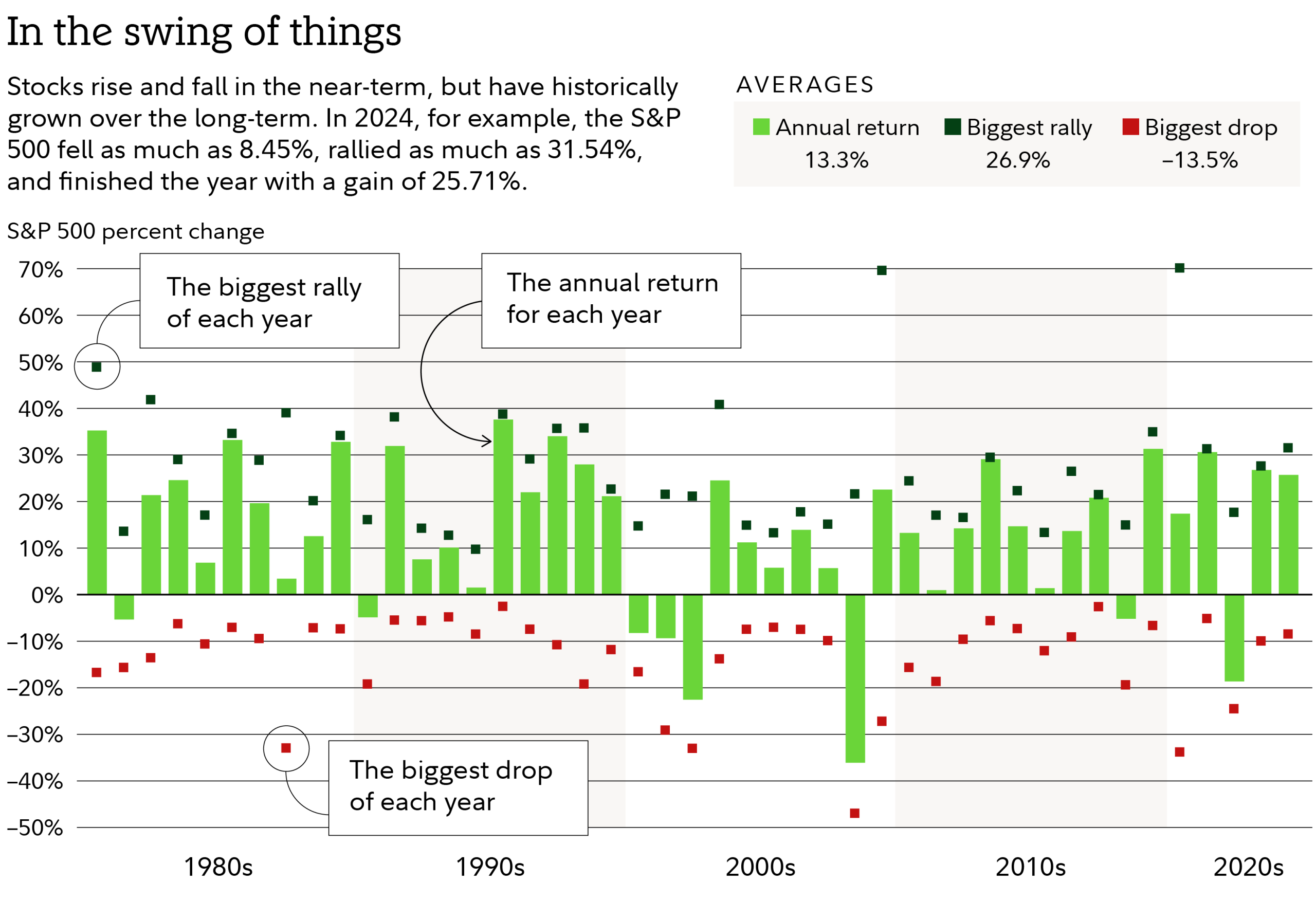
While market cap provides a snapshot of a company’s current value, it should be considered within the context of long-term performance. A company’s market cap can fluctuate due to share price changes, which are influenced by factors like earnings reports, economic indicators, and changes in management. Therefore, investors should take a multi-year perspective when considering market cap, rather than focusing on short-term changes.
Investor Tips
- Consider market cap in conjunction with other financial metrics to get a comprehensive view of a company’s financial health and investment potential.
- Don’t ignore small-cap companies as they may offer high growth potential.
- Monitor market cap trends over time to identify potential investment opportunities.
Disclaimer: The information provided in this article is for informational purposes only and should not be considered financial advice. Always do your own research and consult with a professional advisor before making investment decisions.





Leave a Reply