


Why Understanding Interest Rates and Equity Markets Matter
Interest rates and equity markets are two important factors that can significantly impact investment returns. Understanding the relationship between these two can help investors make informed decisions, anticipate market shifts, and ultimately maximize long-term returns.
Key Business and Financial Drivers
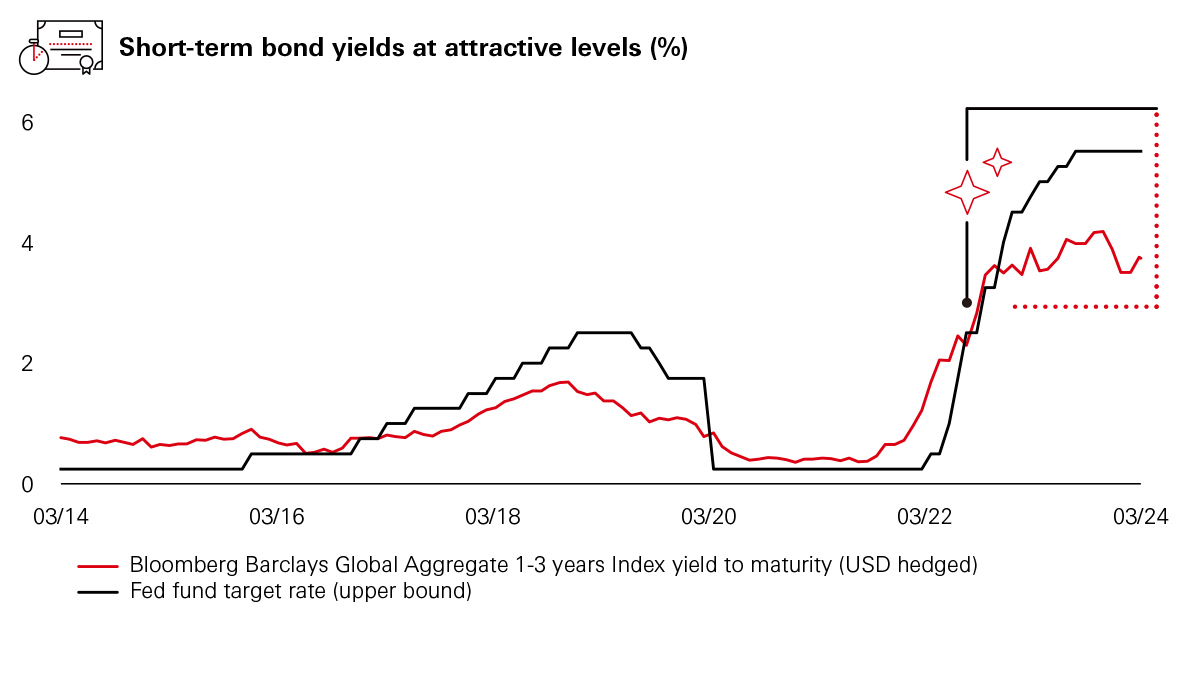
The core investment question behind this topic is how changes in interest rates affect equity markets, and consequently, investment portfolios. The main business driver in this scenario is the central bank’s monetary policy, which directly influences interest rates. Financially, changes in interest rates can affect borrowing costs, corporate profits, and economic growth, all of which can impact equity prices.
Expectations vs Reality
Most investors expect that when interest rates rise, equity markets will fall. This is because higher interest rates increase borrowing costs for companies, potentially reducing their profits and making their stocks less attractive. However, this is not always the case. Sometimes, interest rates rise because of strong economic growth, which can actually boost corporate profits and support equity prices. Therefore, it’s crucial for investors to look beyond the surface and consider the underlying economic conditions.
What Could Go Wrong
Unexpected changes in interest rates can lead to significant market volatility, potentially causing substantial losses for investors. For example, if the central bank unexpectedly raises interest rates to curb inflation, it could trigger a sell-off in the equity market. Additionally, a sudden rise in interest rates can increase the debt burden for companies, potentially leading to lower profits and reduced dividends for shareholders.
Long-term Perspective
While short-term interest rate movements can cause market fluctuations, it’s important for long-term investors to keep their focus on the bigger picture. In the long run, companies that can generate consistent profits and adapt to changing economic conditions will likely deliver solid returns, regardless of interest rate movements. The key is to maintain a well-diversified portfolio and avoid making hasty decisions based on short-term market noise.
Investor Tips
- Stay informed about central bank policies and economic indicators, as they can provide clues about future interest rate movements.
- Consider the fundamentals of the companies you invest in and how they might be affected by changes in interest rates.
- Keep a long-term perspective and don’t let short-term market volatility derail your investment strategy.
Please note that this article is for informational purposes only and should not be considered as investment advice. Always consult with a qualified financial professional before making any investment decisions.



Leave a Reply