

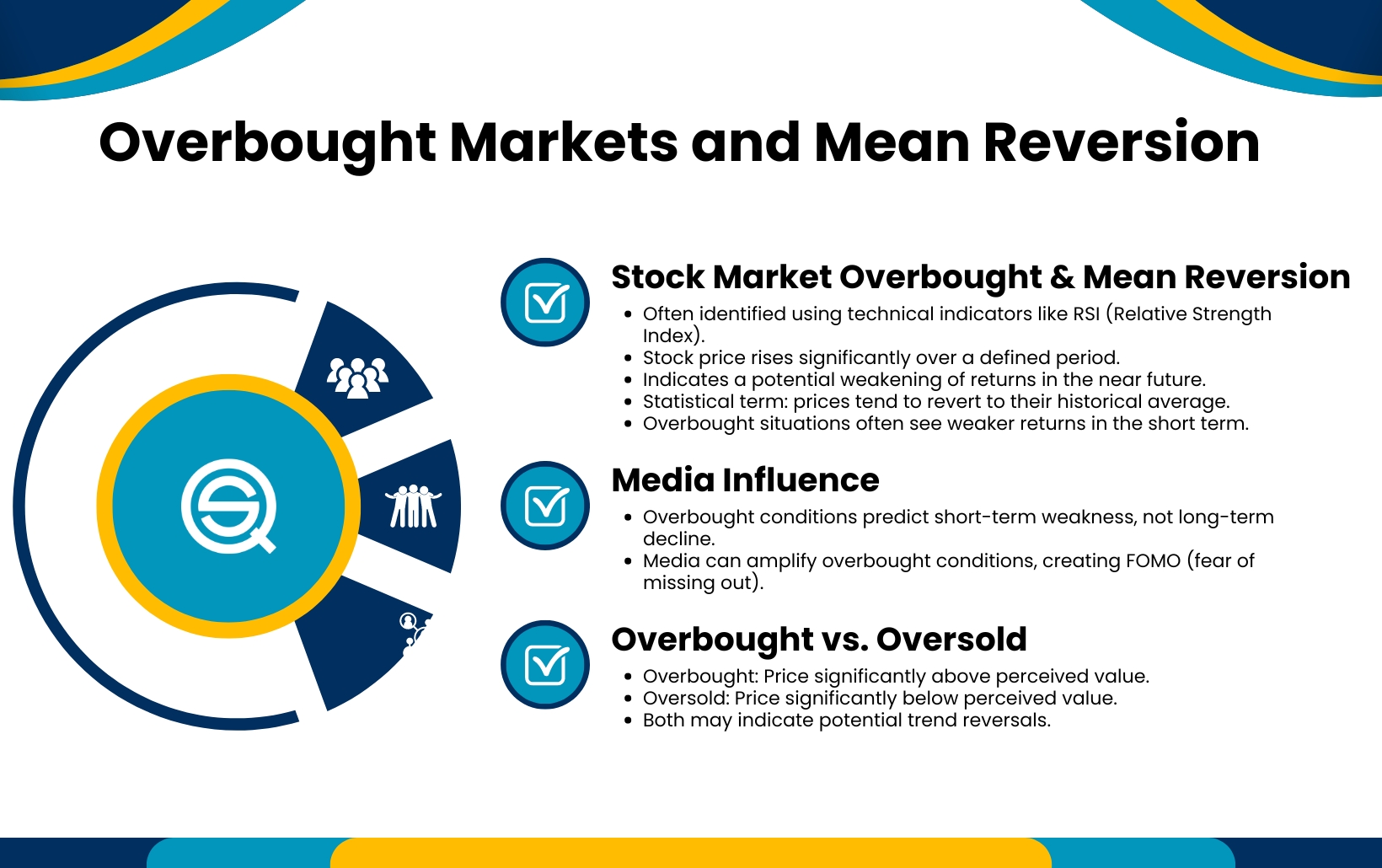
Why Defensive Investment Matters
For long-term investors, understanding defensive investment concepts is crucial in devising strategies that balance risk and potential returns. Defensive investments are typically stable, low-risk securities that provide steady returns and act as a safety net during market downturns. In a volatile economic landscape, they can be pivotal in protecting your portfolio.
Key Business and Financial Drivers
Defensive stocks are often found in sectors like utilities, healthcare, and consumer staples – industries that provide essential goods and services that are in demand regardless of the economic climate. Their stable cash flows, solid balance sheets, and regular dividends are key factors that drive their appeal to investors.
Steady Cash Flows
Regardless of market conditions, defensive stocks tend to generate consistent revenue and profits. This stability is a crucial factor for long-term investors seeking dependable returns.
Strong Balance Sheets
Companies with defensive stocks often have robust balance sheets, marked by low debt levels and substantial cash reserves. This financial strength helps them weather economic downturns and continue to pay dividends to shareholders.
Regular Dividends
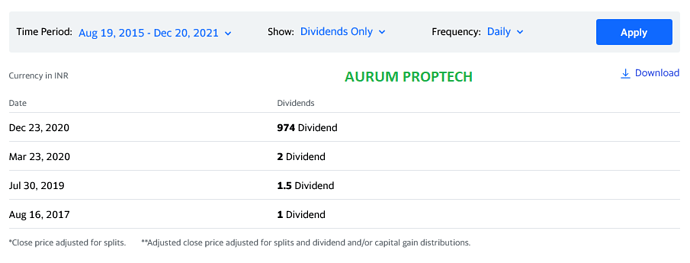
Another attractive feature of defensive stocks is their tendency to pay regular dividends. For long-term investors, these dividends can form a significant part of their investment returns.
Expectations vs Reality
While defensive stocks are often seen as safe havens, it’s important to remember that no investment is risk-free. Investors may expect steady returns and low volatility, but external factors such as regulatory changes, technological disruption, or even shifts in consumer behavior can impact these stocks. Consequently, it’s crucial to conduct thorough research and not solely rely on a company’s defensive nature.
What Could Go Wrong
Even with their inherent stability, defensive stocks are not immune to risks. Regulatory changes can impact profits, technological advancements can render a product or service obsolete, and shifts in consumer preferences can affect demand. Additionally, in a bull market, defensive stocks may underperform growth stocks, potentially leading to missed opportunities for higher returns.
Long-Term Perspective
While short-term market fluctuations can be concerning, long-term investors should focus on the bigger picture. Over several years, the consistent returns and lower volatility of defensive stocks can contribute significantly to portfolio stability and growth.
Investor Tips
- Research thoroughly: Investigate a company’s financial health, market position, and industry trends before investing.
- Balance your portfolio: Defensive stocks can form a crucial part of a balanced portfolio, alongside higher-risk growth stocks.
- Stay updated: Keep abreast of market trends and global events that could impact your investments.
This article is for informational purposes only, and should not be considered financial advice. Always conduct your own research and consult with a professional financial advisor before making investment decisions.



Leave a Reply