

Introduction
Understanding how long-term investors adjust their strategies during market downturns is vital for anyone looking to weather financial storms and maintain a robust portfolio. Market downturns, while challenging, can provide unique opportunities for investors with a long-term perspective.
Key Business and Financial Drivers
Market downturns are often triggered by a combination of financial, economic, and geopolitical factors. Understanding these drivers can help investors anticipate market trends and adjust their strategies accordingly. These may include monetary policy changes, economic contraction, corporate earnings downturns, or global events like pandemics.
Economic Indicators
In a downturn, long-term investors often turn to economic indicators like GDP, inflation rates, and employment data to gauge the health of the economy. A contracting GDP, rising inflation, or increasing unemployment may signal a prolonged downturn, prompting investors to adjust their strategies.
Expectations vs Reality
During a market downturn, the expectation is often that all stocks will tumble. However, the reality is that some sectors and companies are more resilient than others. For instance, during the COVID-19 pandemic, tech companies thrived while many traditional businesses struggled. Recognizing such disparities allows long-term investors to adjust their portfolios to mitigate risks and seize opportunities.
What Could Go Wrong
Even with a well-adjusted strategy, several things could go wrong. An investor might misinterpret economic indicators, overlook certain sectors, or misjudge the duration of the downturn. Additionally, an unexpected event—like an unforeseen geopolitical incident—could further destabilize the market.
Long-Term Perspective
Despite the short-term challenges posed by market downturns, long-term investors can weather these storms by focusing on the fundamental value of their investments. Over the long term, quality companies with robust business models and strong balance sheets tend to recover and may even come out stronger after a downturn.
Investor Tips
- Stay Informed: Regularly monitor economic indicators and market trends.
- Adjust Gradually: Avoid drastic changes based on short-term market fluctuations.
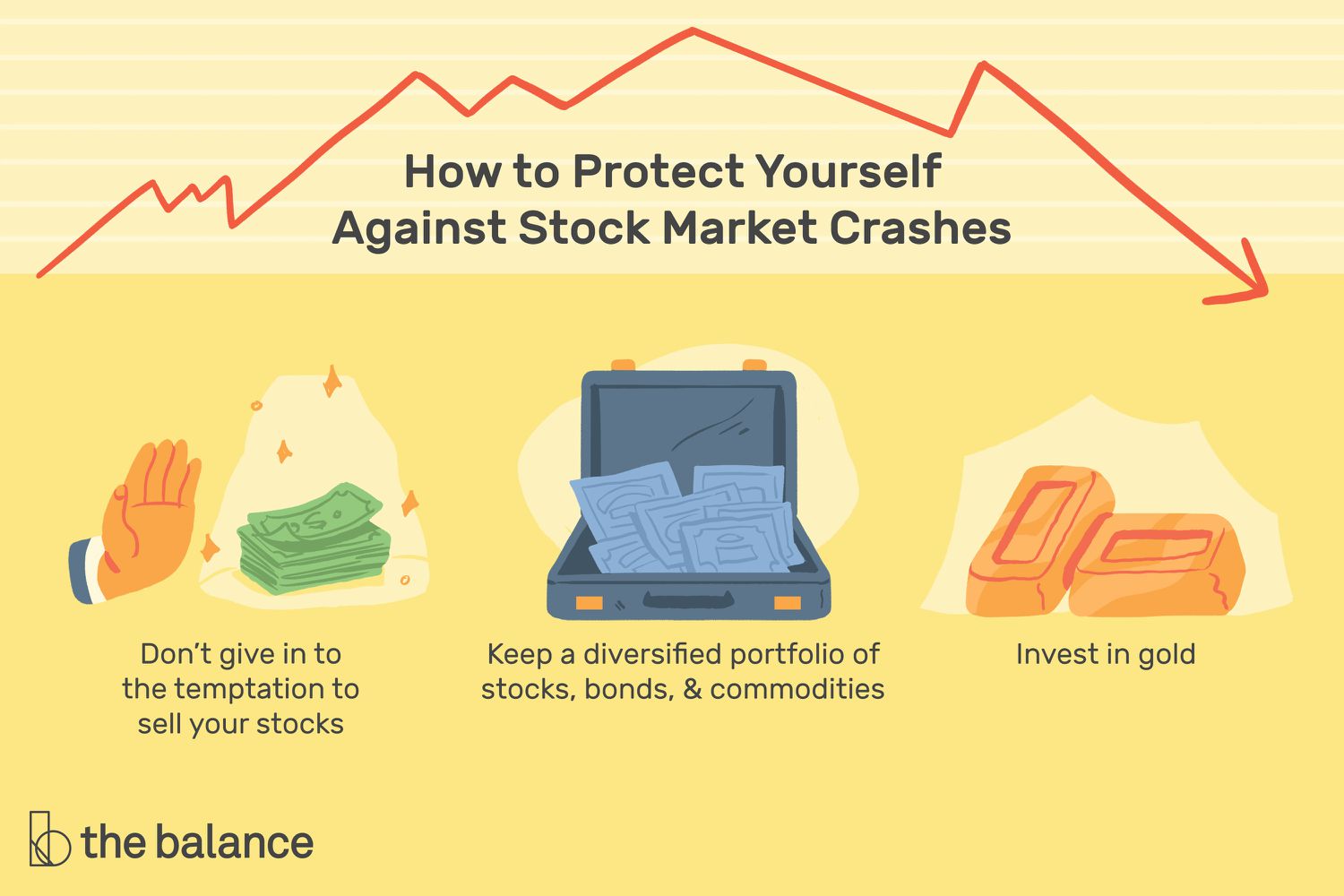
- Diversify: Consider different sectors and asset classes to spread risk.
- Think Long Term: Focus on the fundamental value of your investments, not just current market conditions.
This article is intended for informational purposes only and should not be considered as investment advice. Always conduct your own research and consult a professional before making investment decisions.




Leave a Reply