

Introduction: Why Market Discipline Matters
For long-term investors, market volatility might seem like a threat to your investment portfolio. However, understanding how to stay disciplined during such periods can turn potential threats into opportunities. Being disciplined helps investors avoid impulsive decisions, stick to their investment strategy, and ultimately achieve their financial goals.
Key Drivers of Market Volatility
Several factors drive market volatility, including economic indicators, geopolitical events, and corporate earnings reports. Understanding these drivers can aid in making informed investment decisions during volatile markets.
Expectations vs Reality
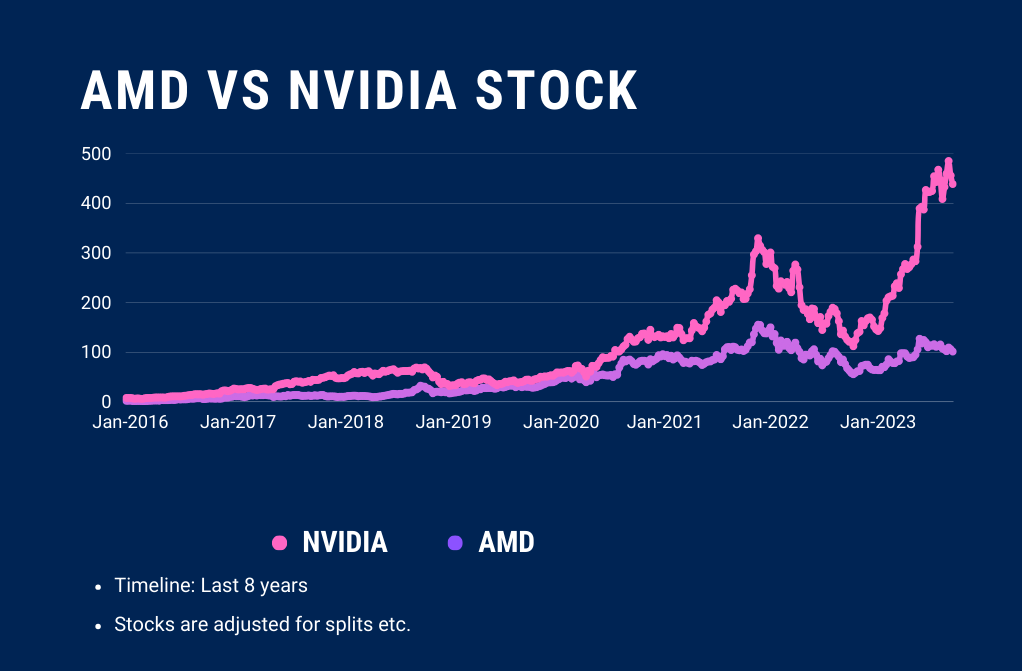
Often, investor expectations can differ vastly from reality, especially during periods of market volatility. Investors might anticipate a certain stock to perform well based on market trends, but unexpected events can quickly change the trajectory of the stock’s performance. Therefore, being disciplined involves maintaining a realistic perspective and not getting swayed by market noises.
What Could Go Wrong
Investing during volatile markets can come with risks. Market conditions can change rapidly, and stocks can plunge without warning. Without a disciplined approach to investing, one might end up making hasty decisions, such as selling stocks at a loss due to fear or buying stocks without proper research due to greed.
Connecting Short-term Factors to Multi-year Outcomes
While short-term market volatility can be unsettling, it’s crucial to remember that these fluctuations often have little impact on the long-term performance of a well-diversified portfolio. A disciplined investor understands this and remains focused on their long-term investment goals, using periods of volatility as opportunities to acquire quality stocks at a discount.
Investor Tips
- Stay disciplined and stick to your investment strategy, even when the market is volatile.
- Understand the factors driving market volatility to make informed decisions.
- Maintain a long-term perspective and focus on your financial goals.
This article is not financial advice. It’s intended to provide general information for educational purposes and does not consider individual circumstances. Consult a financial advisor before making investment decisions.


Leave a Reply