

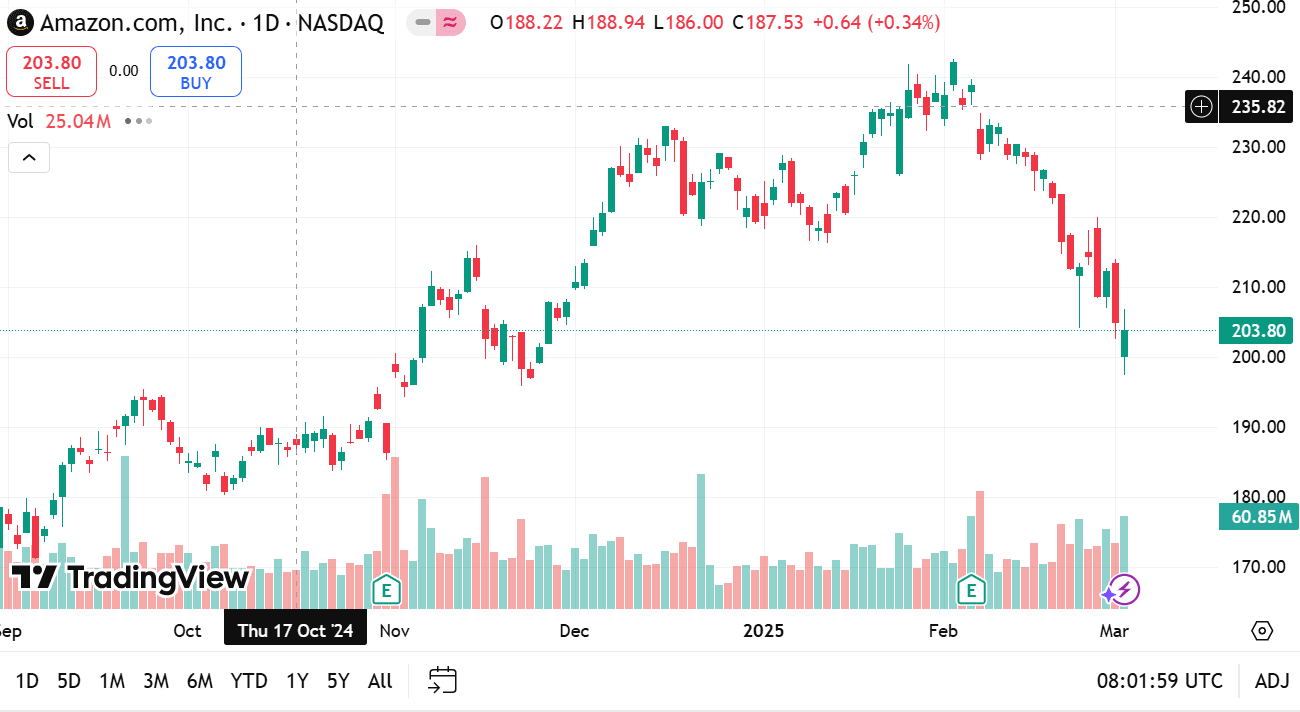
Why This Topic Matters
Understanding when to reassess an investment thesis is crucial for long-term investors. It helps to determine if their investment is still on track or if it’s time to adjust their strategy. This topic is particularly relevant in a volatile market where changes can occur rapidly and unexpectedly.
Key Business and Financial Drivers
There are several vital business and financial drivers that investors should consider when reassessing their investment thesis. These include changes in a company’s financial health, competitive position, regulatory environment, and macroeconomic factors. Changes in these areas can significantly impact a company’s future earnings and, consequently, its stock price.
Expectations vs Reality
It’s essential for investors to differentiate between expectations and reality. The investment thesis is often based on certain expectations about a company’s future performance. However, if these expectations are not met, it might be time to reassess the investment thesis. For instance, if a company consistently fails to meet earnings forecasts, it suggests underlying operational issues that could impact its long-term profitability.
What Could Go Wrong
Several factors could go wrong that might require a reassessment of an investment thesis. For example, a company might face sudden regulatory changes that significantly impact its operations. Alternatively, a company might lose a significant customer that directly affects its revenue. In such cases, sticking to the original investment thesis might result in losses.
The Long-Term Perspective
While short-term factors can trigger a reassessment of an investment thesis, it’s crucial to maintain a long-term perspective. For instance, a temporary downturn in the economy might impact a company’s short-term profitability but might not necessarily affect its long-term earnings potential.
Investor Tips
- Stay informed about changes in the company’s business environment.
- Regularly compare the company’s actual performance with the expected performance based on your investment thesis.
- Don’t overreact to short-term market fluctuations. Instead, focus on long-term trends and fundamentals.
This article does not constitute investment advice and is intended for informational purposes only. Always conduct your own research or consult with a professional before making investment decisions.



Leave a Reply