

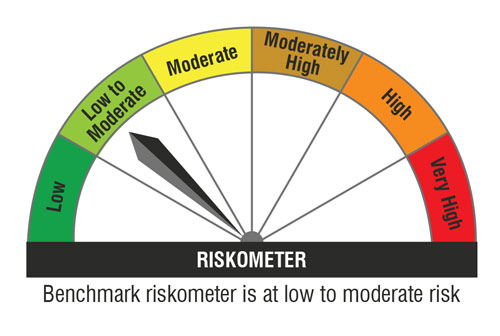
Introduction: Why Market Volatility Matters to Investors
Market volatility is a crucial aspect of investing that can significantly impact the performance of an investment portfolio. For long-term investors, understanding and navigating through market volatility is essential to safeguard investments and ensure optimal returns. Volatility often presents both risks and opportunities, making the ability to navigate through it a key determinant of investment success.
Key Business and Financial Drivers
Several factors drive market volatility, including economic indicators, geopolitical events, and market sentiment. These drivers can cause rapid fluctuations in stock prices, leading to periods of increased volatility. Understanding these drivers and their implications is crucial in making informed investment decisions.
Expectations vs Reality
Often, investor expectations about future market trends are already priced into stocks. When reality deviates from these expectations, it can trigger volatility. For instance, if a company’s earnings report exceeds investor expectations, its stock price might surge. Conversely, if the report disappoints, the stock price might plummet. Long-term investors need to be aware of this dynamic and be prepared for price fluctuations when reality does not align with expectations.
What Could Go Wrong
While market volatility can present buying opportunities, it also carries significant risks. For instance, a sudden market downturn could lead to substantial losses if an investor is heavily weighted in volatile stocks. Additionally, high volatility can lead to panic selling, which can lock in losses and miss out on potential future gains. As such, it is essential for investors to have a risk management strategy in place to mitigate potential losses during periods of high volatility.
Long-term Perspective
While short-term market volatility can be unnerving, it’s important to remember that it is a normal part of market cycles. Over the long term, the impact of short-term volatility tends to smooth out. Therefore, long-term investors should focus on the underlying fundamentals of their investments rather than reacting to short-term market fluctuations.
Investor Tips
- Stay informed about market trends and economic indicators.
- Keep a diversified portfolio to spread risk.
- Have a clear risk management strategy in place.
- Stay focused on long-term investment goals, not short-term market fluctuations.
Disclaimer: This article is for informational purposes only and should not be taken as investment advice. Always conduct your own research or consult with a professional advisor before making investment decisions.




Leave a Reply