

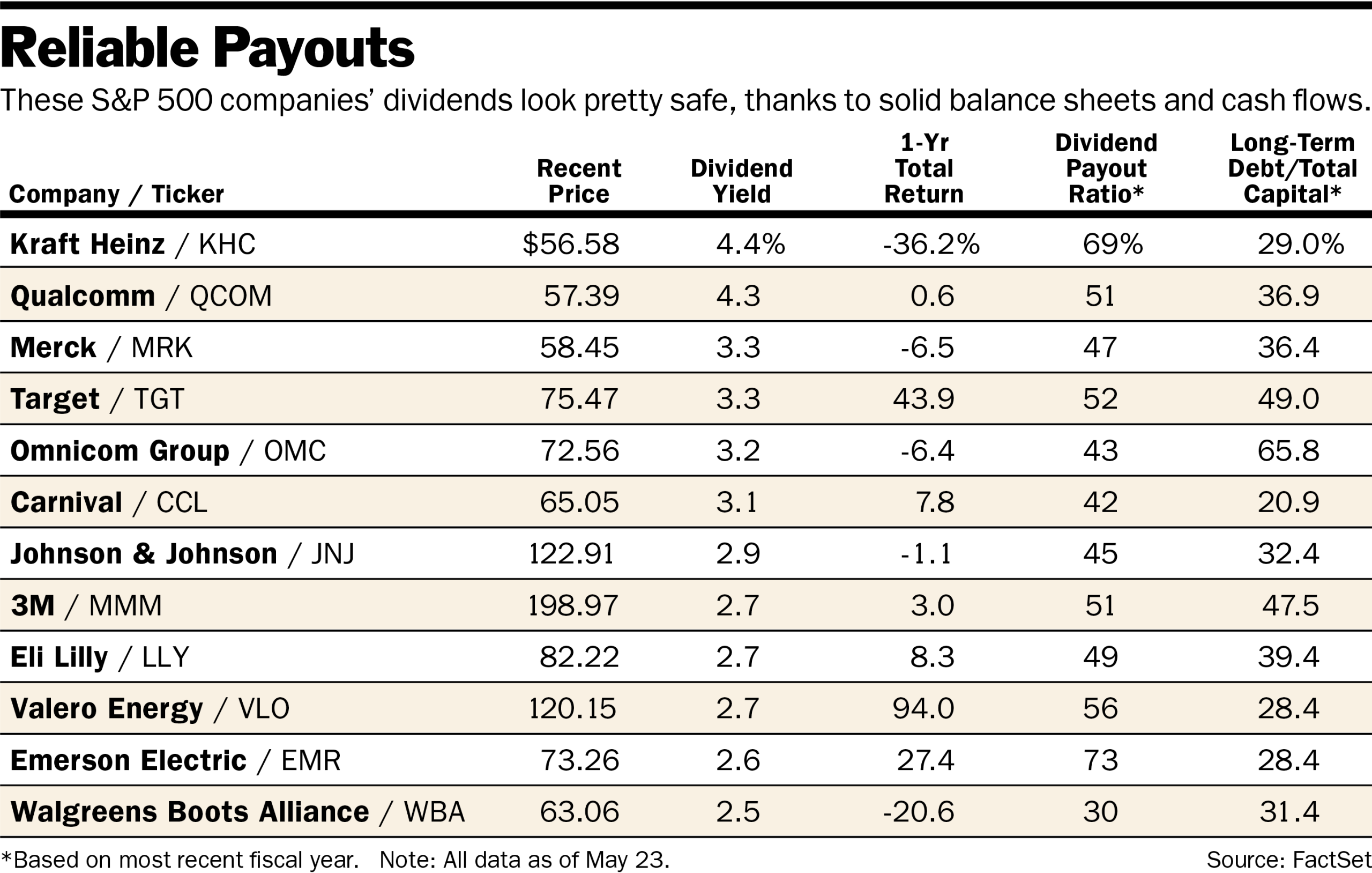
Why Building a Long-Term Portfolio Matters
Investing is not just about striking gold in the short-term. It’s about building wealth steadily and consistently over time. To achieve this, investors need to build a well-diversified, balanced portfolio that can weather market volatility and deliver solid returns in the long run. This is where the importance of building a long-term portfolio comes into play, and why understanding how to avoid common mistakes is crucial.
Key Elements of a Successful Long-Term Portfolio
A successful long-term portfolio is underpinned by a clear investment strategy, a well-diversified asset allocation, and a disciplined approach to rebalancing and risk management.
Decisions about asset allocation are driven by an investor’s financial goals, risk tolerance, and investment horizon. A diversified portfolio spreads investments across various asset classes to reduce risk and provide steady returns, regardless of market conditions. Regular portfolio rebalancing helps to maintain the desired level of risk and return.
Understanding Stock Market Expectations
The stock market is forward-looking and prices in future expectations of earnings and growth. When these expectations are not met, the stock price can experience significant volatility. Understanding this can help investors align their expectations with reality and make more informed investment decisions.
What Could Go Wrong
Many things can go wrong when building a long-term portfolio. Some of the common mistakes include not diversifying adequately, chasing past performance, and not reassessing the portfolio regularly. These mistakes can lead to a portfolio that is not resilient to market volatility and does not meet the investor’s financial goals.
Connecting Short-Term Factors to Long-Term Outcomes
While short-term market fluctuations can be unsettling, it’s essential to remember that investing is a long-term game. Short-term factors such as market volatility, economic news, or changes in interest rates should not distract from the long-term investment strategy. Instead, these factors should be seen as opportunities to reassess the portfolio and make necessary adjustments to align with long-term goals.
Investor Tips
- Define your investment goals and risk tolerance before building your portfolio.
- Diversify your investments to spread risk and potential returns.
- Regularly rebalance your portfolio to maintain your desired risk/return profile.
- Stay informed about market trends and economic news, but don’t let short-term factors distract from your long-term investment strategy.
This article is for informational purposes only and should not be considered financial advice. Always conduct your own research and consult with a licensed financial advisor before making investment decisions.




Leave a Reply