

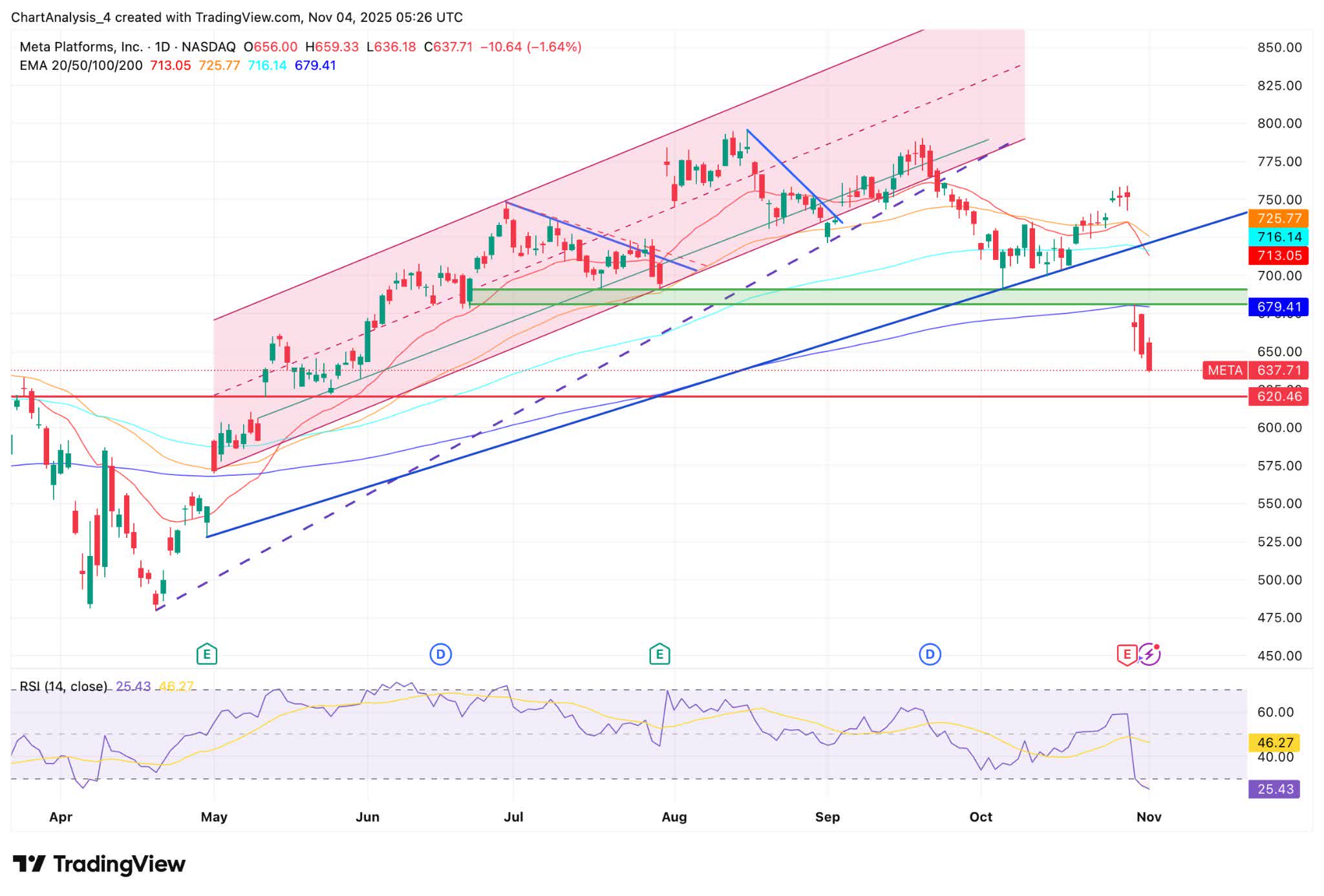
Introduction: Revenue Analysis – A Critical Factor for Investors
As an investor, understanding a company’s revenue trends is vital to evaluating its growth prospects. Revenue analysis offers a clear snapshot of a company’s financial health, helps forecast future performance, and ultimately guides investment decisions. In a dynamic market like the US, revenue analysis is even more crucial.
Key Drivers Behind Revenue Generation
Revenue is more than just a number; it reflects a company’s ability to attract and retain customers, its pricing strategies, and its market share. Various factors drive revenue, including product/service demand, pricing power, market expansion, and competitive positioning. Analyzing these drivers can provide investors with insights into a company’s strengths and weaknesses.
Product/Service Demand
A strong demand for a company’s products or services typically translates into higher revenues. Investors should monitor changes in demand patterns and how a company responds to them.
Pricing Power
Pricing power – the ability to raise prices without losing customers – is a strong indicator of a company’s competitive advantage. A company with strong pricing power is likely to have more stable and increasing revenues.
Expectations vs Reality
Investors often base their expectations on a company’s projected revenues. However, these expectations can sometimes deviate from reality due to unforeseen market dynamics, competitive pressures, or internal challenges. Regularly comparing expected revenues with actual results can help investors adjust their investment strategies accordingly.
What Could Go Wrong
Several factors can negatively impact a company’s revenue. Unanticipated market changes, increased competition, and failure to innovate are just a few examples. Investors need to consider these potential risks and their possible impact on a company’s revenue.
Long-term Perspective on Revenue Analysis
While short-term revenue fluctuations are important, investors should focus on long-term revenue trends to understand a company’s growth trajectory. Persistent growth or decline in revenues over multiple years can signal underlying strengths or weaknesses that can significantly impact an investment’s profitability in the long run.
Investor Tips
- Monitor changes in a company’s revenues and understand the reasons behind these changes.
- Compare expected and actual revenues to gauge a company’s performance accuracy.
- Consider the potential risks to a company’s revenue and how these risks might affect your investment.
- Focus on long-term revenue trends, not just short-term fluctuations.
The information provided in this article is for informational purposes only. It should not be considered financial or investment advice. Always consult with a qualified professional before making any investment decisions.





Leave a Reply