

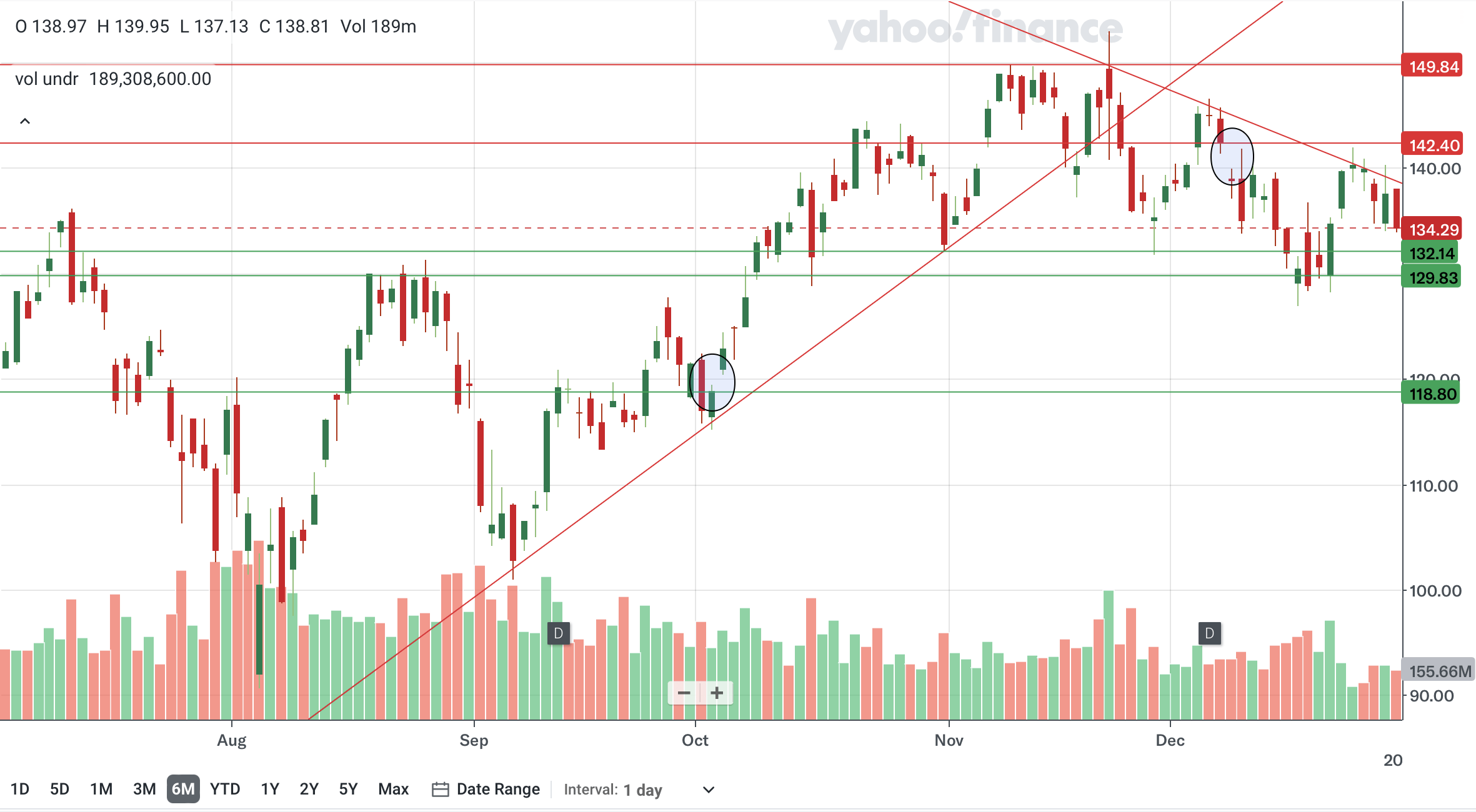
Why This Topic Matters to Investors
Understanding the potential pitfalls of the “beat and raise” phenomenon is crucial for long-term investors. It helps them to not be misled by short-term favorable earnings and revenue reports, and instead focus on the company’s underlying fundamentals and long-term growth prospects.
Business and Financial Drivers Analysis
The “beat and raise” scenario generally occurs when a company surpasses its own revenue or earnings forecasts and then raises its future guidance. While this might appear as a positive sign, several other financial and business factors could impact the future performance of the stock.
Financial Health of the Company
A company may beat its earnings or revenue estimates due to temporary factors such as cost-cutting measures or one-time gains. It is essential to analyze the company’s overall financial health, including its debt levels, cash flow, and profitability.
Business Model and Competitive Advantage
A company’s ability to maintain its competitive edge and the viability of its business model over the long term are more important factors for stock performance than short-term earnings beats.
Expectations vs Reality
While a “beat and raise” scenario can lift a stock’s price in the short term due to positive market sentiment, it does not necessarily guarantee long-term outperformance. The stock price might have already factored in the raised guidance, leaving little room for further appreciation. If the company fails to deliver on its raised expectations in the future, the stock could face a significant correction.
What Could Go Wrong
In the “beat and raise” scenario, there is a risk of overvaluation. If the company’s future performance does not justify the elevated stock price, it could lead to a stock price decline. Moreover, any unfavorable changes in the overall market or economic conditions could also negatively impact the stock’s performance, irrespective of the company’s individual earnings performance.
Long-Term Perspective
From a long-term perspective, it is important to note that while a “beat and raise” scenario can be a positive signal, it should not be the sole factor in deciding to invest in a company. Factors such as the company’s business model, competitive advantage, and financial health play a more significant role in determining the stock’s long-term performance.
Investor Tips
- Do not base investment decisions solely on short-term earnings beats and raised guidance.
- Analyze the company’s underlying fundamentals and long-term growth prospects.
- Be aware of the risks associated with overvaluation in a “beat and raise” scenario.
This article is for informational purposes only and should not be considered as investment advice. Always do your own research and consult with a professional financial advisor before making any investment decisions.





Leave a Reply