

Introduction: Why “Demand Pull-Forward” Matters
In a rapidly changing economic environment, understanding the concept of “demand pull-forward” is crucial for long-term investors. This phenomenon can significantly impact stock performance in the coming quarters and shape long-term investment strategies.
Key Business Drivers and “Demand Pull-Forward”
The core driver behind “demand pull-forward” is the anticipation of future price increases or product scarcity. This causes consumers to buy more of a product than they normally would, pulling demand from the future to the present. This can lead to inflated short-term sales and robust quarterly reports, but it also creates a potential vacuum of demand in subsequent periods.
Expectations vs Reality
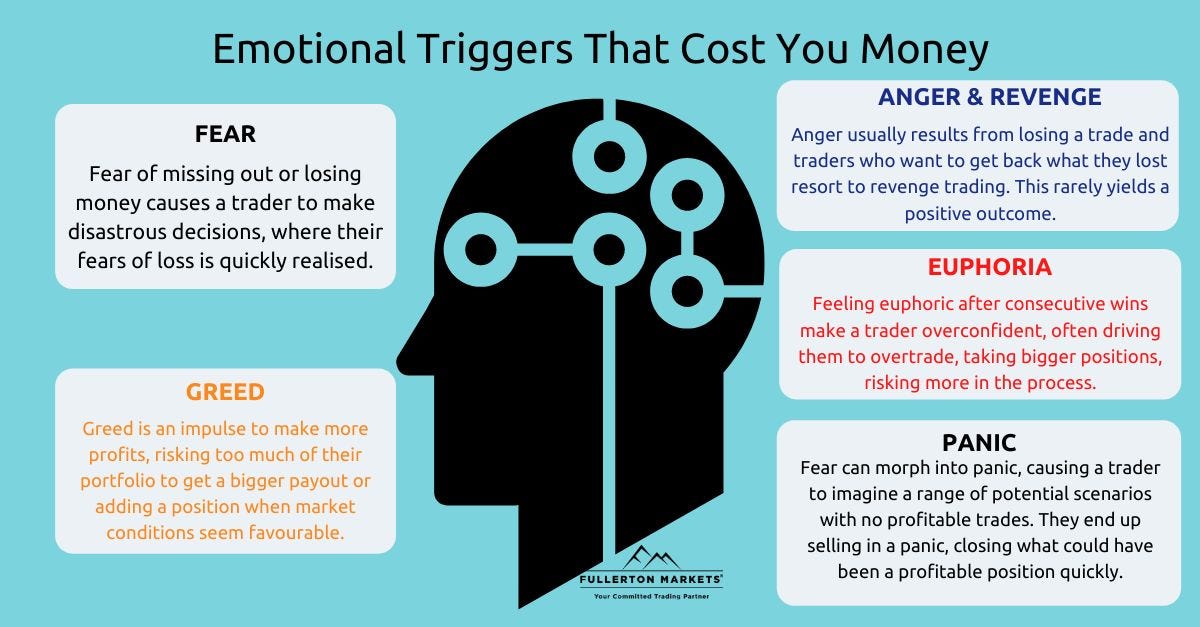
Investors often react positively to the immediate surge in sales caused by demand pull-forward. However, it is important to remember that this is not indicative of a long-term trend. The anticipated drop in demand during subsequent quarters is often not fully priced into the stock, leading to potential overvaluation.
What Could Go Wrong
The primary risk associated with demand pull-forward is the potential for demand to dry up in future quarters. If the company is not able to replenish this demand through new customers or repeat business, it could experience a sharp decline in sales, which could negatively impact stock performance.
Long-term Perspective
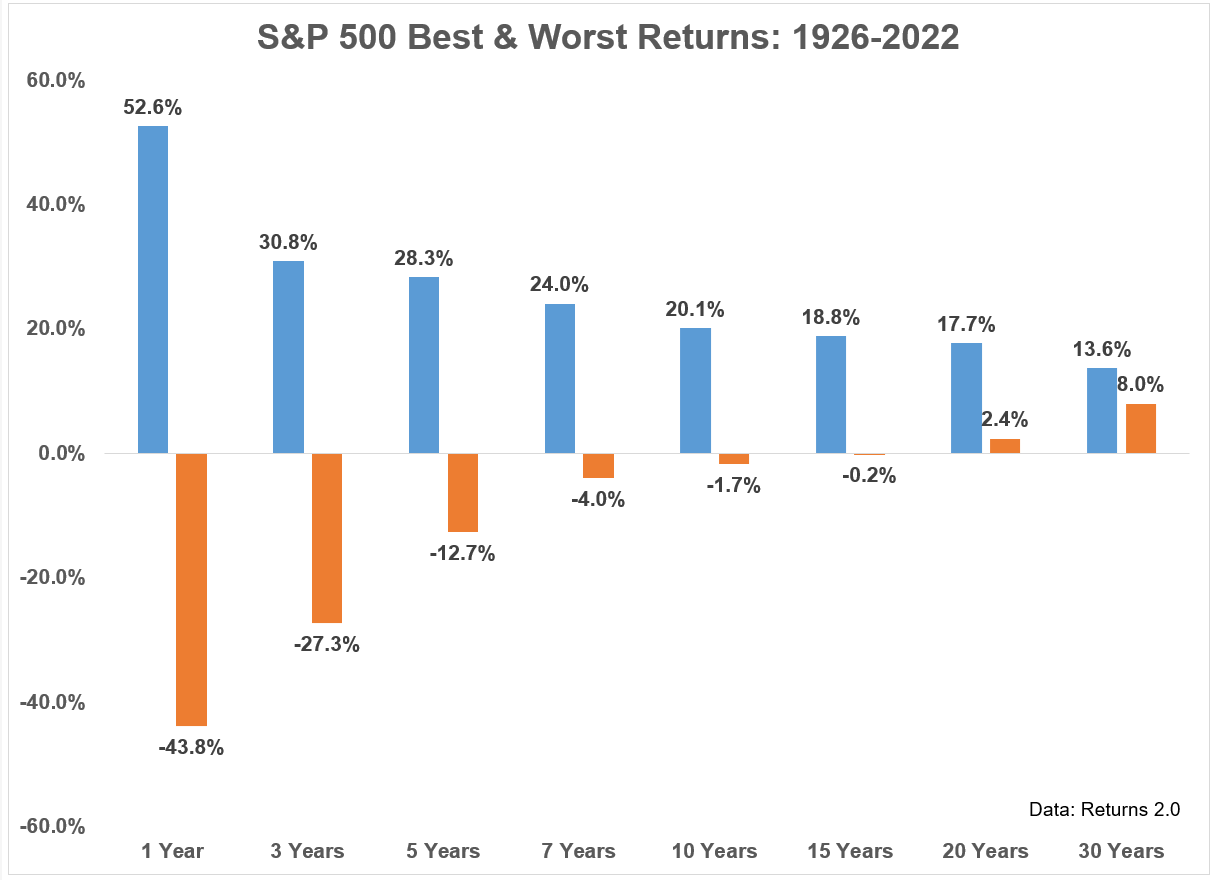
While demand pull-forward can boost short-term sales, it’s essential to view these spikes within the context of long-term performance. If a company’s fundamentals and growth prospects remain strong, the temporary dip in demand should not significantly impact its long-term trajectory.
Investor Tips
- When observing a sudden surge in sales, consider whether this could be due to demand pull-forward.
- Don’t be swayed by short-term sales spikes. Always consider the underlying fundamentals of a company.
- Watch for signs of potential demand pull-forward in a company’s quarterly reports and adjust your investment strategy accordingly.
Disclaimer
This article is intended for informational purposes only. It should not be considered investment advice. Always do your own research before making any investment decisions.



Leave a Reply