

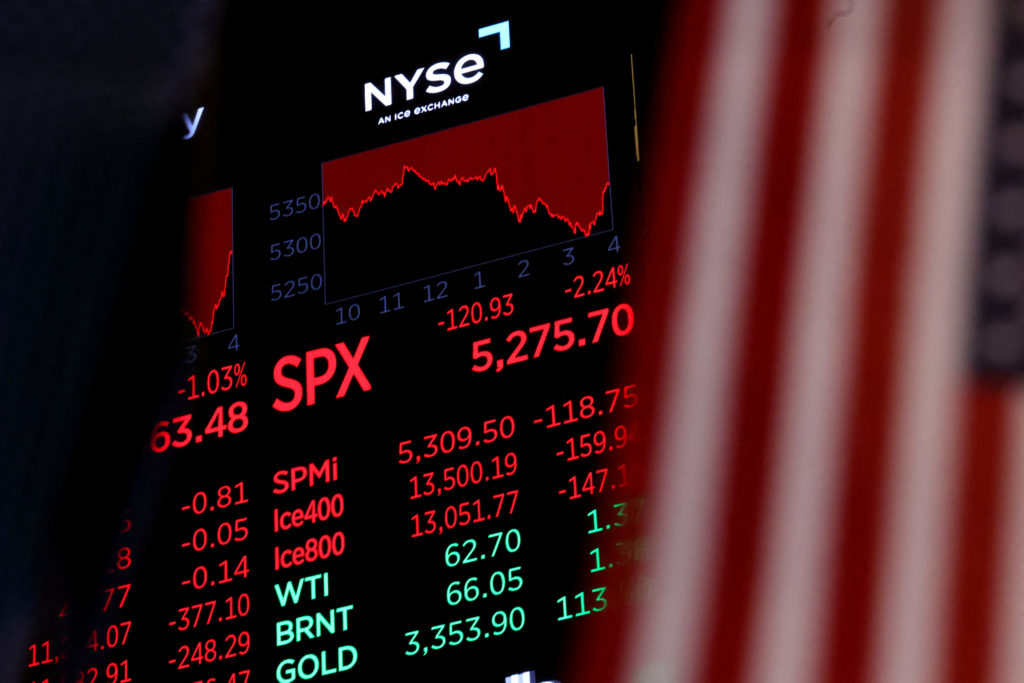
Introduction: WHY This Topic Matters to Investors
With the financial market’s inherent volatility, it’s critical for long-term investors to maintain objectivity during market extremes. Whether it’s a bullish surge or a bearish decline, allowing emotions to dictate investment decisions can lead to unfavorable outcomes. This guide will provide insights on how to stay objective, no matter the market condition.
Key Business or Financial Drivers
Understanding the key drivers behind market fluctuations is crucial. These can include microeconomic factors like company earnings, macroeconomic factors such as interest rates and inflation, and external occurrences like geopolitical events or pandemics.
Economic Indicators
Indicators like GDP growth, unemployment rates, and consumer sentiment can give an overview of the economy’s health. It’s essential to consider these when making investment decisions as they can significantly impact market trends.
Company Performance
Company earnings reports, balance sheets, and future growth plans can drive stock prices. An objective analysis of these factors can help investors make informed decisions.
Expectations vs Reality
Often, market extremes are driven by investor expectations, which may or may not align with reality. For instance, during a bull market, expectations for continued growth can inflate stock prices beyond their intrinsic value. On the other hand, during a bear market, fear and pessimism can push prices lower than their actual worth. Understanding this discrepancy is key to remaining objective and making rational investment decisions.
What Could Go Wrong
Investing is inherently risky, and numerous factors could negatively impact your investment. Market bubbles could burst, economic crises could occur, or specific company issues could lead to a stock price collapse. Staying objective during market extremes can help limit the effects of these potential pitfalls.
Long-Term Perspective
While short-term market fluctuations can be severe, it’s essential to keep a long-term perspective. Market extremes are often temporary, and overreacting to them can lead to poor investment decisions. By maintaining a long-term view, investors can ride out market volatility and achieve sustainable growth.
Investor Tips
- Stay informed: Regularly monitor economic indicators and company performances.
- Keep emotions in check: Don’t let fear or greed dictate your investment decisions.
- Stay focused on the long term: Short-term fluctuations are less relevant for long-term investors.
Disclaimer: This article is for informational purposes only and should not be considered investment advice. Always conduct your own research and consult with a professional advisor before making investment decisions.


Leave a Reply