

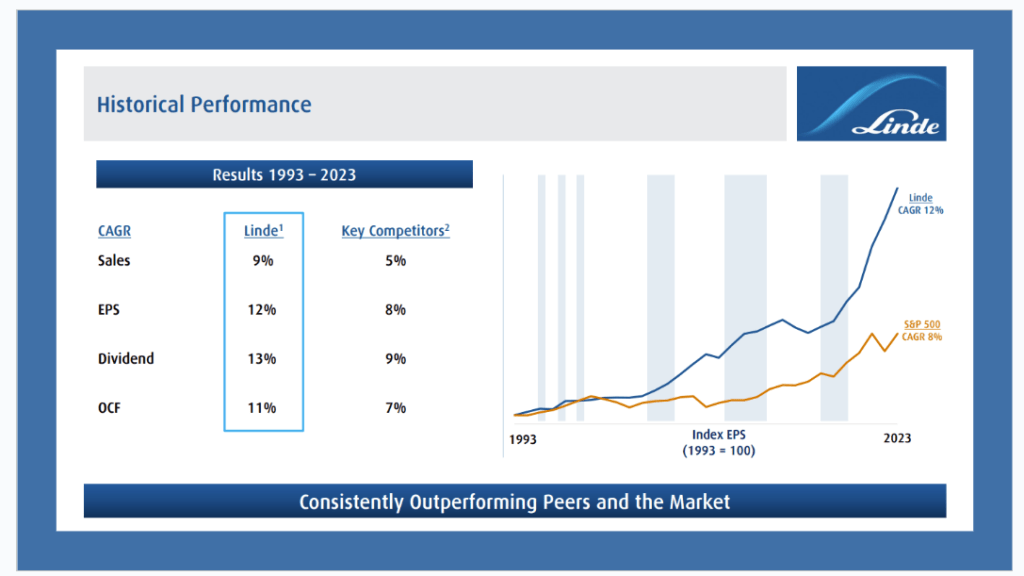
Why This Topic Matters to Investors
The ability of a growth stock to compound is a crucial factor for long-term investors. Stocks that fail to compound can significantly impact the profitability of an investment portfolio. Understanding why some growth stocks fail to compound can help investors make informed decisions and optimize their investment strategies.
Key Business or Financial Drivers
Several factors can hinder a growth stock’s ability to compound. These include a company’s financial health, competition, market demand, and economic conditions. A company’s inability to sustain or increase profitability, high competition leading to market share loss, lack of demand for products or services, or adverse economic conditions can all contribute to a growth stock’s failure to compound.
Expectations Vs Reality
Investors often have high expectations for growth stocks, anticipating that they will deliver strong and consistent returns. However, the reality can sometimes be quite different. For various reasons, some growth stocks may not be able to deliver the anticipated returns, leading to disappointment and financial loss.
What Could Go Wrong
There are several things that could go wrong with growth stocks. A company could fail to achieve its growth projections. This could be due to factors such as poor management, lack of innovation, or economic downturns. Furthermore, growth stocks are often more volatile and risky than other types of stocks. If these risks materialize, it could lead to substantial losses for investors.
Long-Term Perspective
While short-term factors can influence a growth stock’s ability to compound, it’s important to consider the long-term perspective. Factors such as a company’s competitive position, financial health, and growth prospects can significantly impact its ability to deliver returns over multiple years. Therefore, investors should not only focus on short-term gains but also consider the long-term sustainability of a company’s growth.
Investor Tips
- Investors should thoroughly research a company before investing in its growth stocks.
- Consider a company’s financial health, competitive position, and growth prospects.
- Be aware of the risks associated with growth stocks and manage your portfolio accordingly.
Please note that the above content is for informational purposes only and should not be considered as investment advice. Always consult with a financial advisor before making investment decisions.





Leave a Reply