

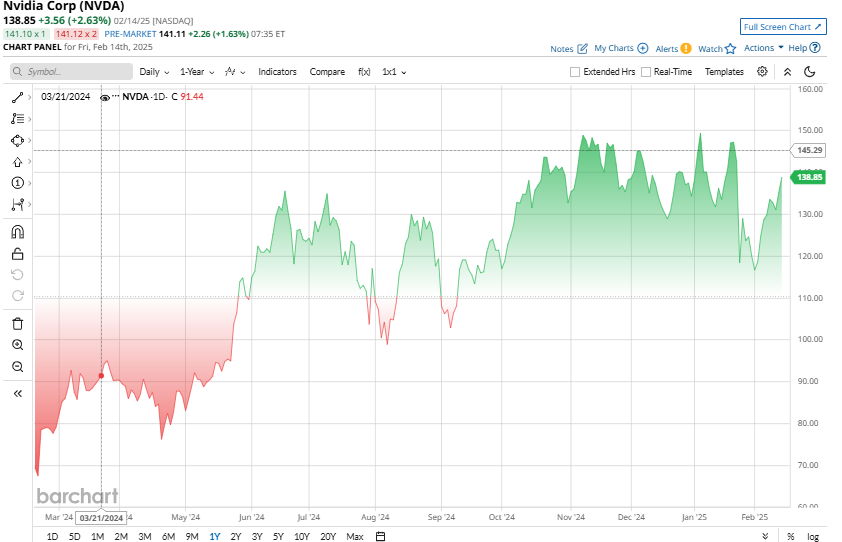
Why Long-Term Compounders Matter to Investors
The allure of long-term compounders lies in their ability to consistently grow their value over time. For investors, these stocks represent a chance to substantially increase their wealth in the long run, making them an essential component of a sound investment strategy.
Key Business and Financial Drivers
What sets long-term compounders apart are strong business models, compelling value propositions, and impressive financial performance. These companies also often operate in sectors with high barriers to entry and demonstrate a clear competitive advantage. They typically boast strong balance sheets, robust cash flows, and a history of steady earnings growth.
Expectations versus Reality
While the promise of long-term compounders is appealing, it’s crucial to separate hype from reality. Not every company touted as a potential long-term compounder will fulfill this promise. The stock’s current price may already reflect high growth expectations, and the actual performance may not live up to the hype. Investors need to scrutinize the company’s fundamentals and future prospects before making an investment decision.
What Could Go Wrong
Even with a strong business model and financial performance, long-term compounders are not immune to risks. Market volatility, regulatory changes, technological disruptions, and competitive threats can impact their growth trajectory. Hence, a diversified portfolio is crucial to mitigate these risks.
A Long-Term Perspective
While short-term factors can impact a stock’s price, the real value of long-term compounders is realized over multiple years. It’s essential to maintain a long-term perspective and not get swayed by short-term market fluctuations.
Investor Tips
- Investigate the company’s business model and financial performance thoroughly.
- Consider the growth expectations already priced into the stock.
- Maintain a long-term perspective and avoid getting swayed by short-term market fluctuations.
- Always diversify to mitigate risks.
This article is for informational purposes only and should not be construed as investment advice. Always conduct your own research and consult a professional advisor before making investment decisions.



Leave a Reply