

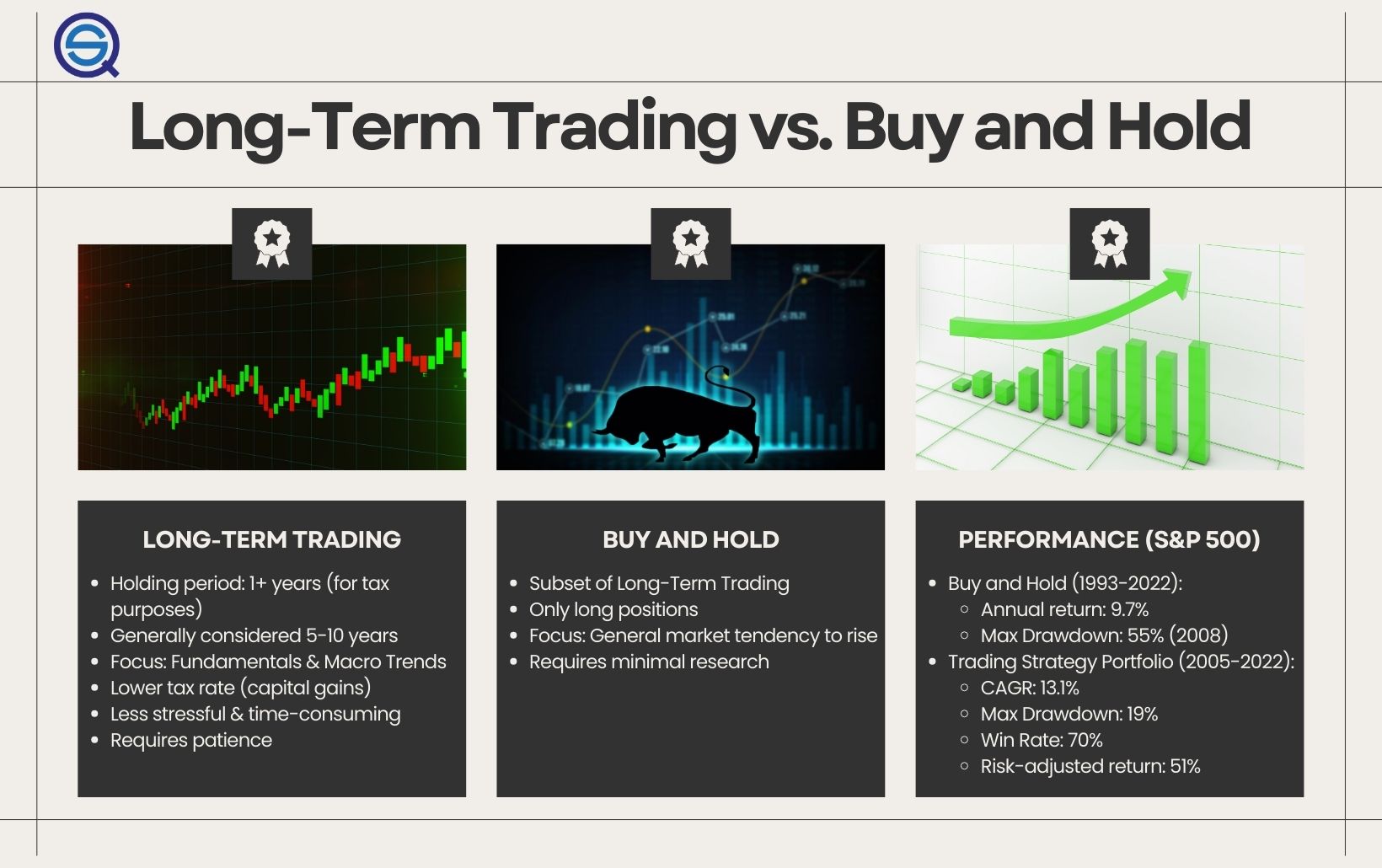
Why Financial Performance Signals Matter
For long-term investors, understanding financial performance signals of US equities is essential. These signals offer insights into a company’s financial health, its business model’s viability, and its potential for future growth. Ultimately, they can guide your investment decisions and help you build a diversified, robust portfolio.
Key Business and Financial Drivers
The financial performance signals encompass various aspects, including revenue growth, net income, return on equity, and cash flow. Revenue growth indicates the company’s ability to increase sales over time. Net income reveals the profitability after subtracting all expenses, taxes, and costs. Return on equity measures the company’s efficiency in generating profits from shareholders’ equity. Cash flow, particularly free cash flow, shows the company’s ability to generate cash after funding operations and capital expenditures.
Expectations vs Reality
Investors often use these financial signals to form expectations about a company’s future performance. However, the actual results may vary due to numerous factors, such as changes in market conditions, regulatory environment, or the company’s strategic decisions. Monitoring these factors alongside the financial signals can help investors adjust their expectations and make informed decisions.
What Could Go Wrong
While financial performance signals can provide valuable insights, they are not foolproof. A company may exhibit strong financial signals but still underperform due to unforeseen challenges such as economic downturns, competitive pressures or operational failures. Therefore, it’s crucial to consider these potential risks and incorporate them into your investment strategy.
Long-Term Perspective
While short-term fluctuations can affect financial signals, long-term investors should focus on trends over multiple years. This perspective can help identify companies with sustainable growth and resilience in various market conditions. By focusing on the long-term perspective, investors can better align their investment strategies with their financial goals.
Investor Tips
- Monitor a variety of financial performance signals to gain a comprehensive view of a company’s financial health.
- Consider both the current values and the trends of these signals over time.
- Stay informed about the company’s industry and the broader market conditions.
Disclaimer
This article is for informational purposes only and should not be considered as investment advice. Always conduct your own research or consult with a financial advisor before making investment decisions.




Leave a Reply