

Why This Topic Matters to Investors
Investors need to recognize the influence of cyclical industries on their long-term investment strategies. Cyclical industries, such as automotive or construction, typically rise and fall with economic cycles. Understanding these fluctuations can provide insights into potential investment opportunities and risks, aiding in the creation of a more robust and resilient portfolio.
Analysis of Key Business or Financial Drivers
Investors should focus on the causes behind the cyclical nature of certain industries. Key factors include economic trends, consumer spending habits, and government policies. These elements significantly influence the performance of cyclical industries, causing stock prices to surge during periods of economic prosperity and decline during recessions. By understanding these drivers, investors can make more informed decisions.
Economic Trends
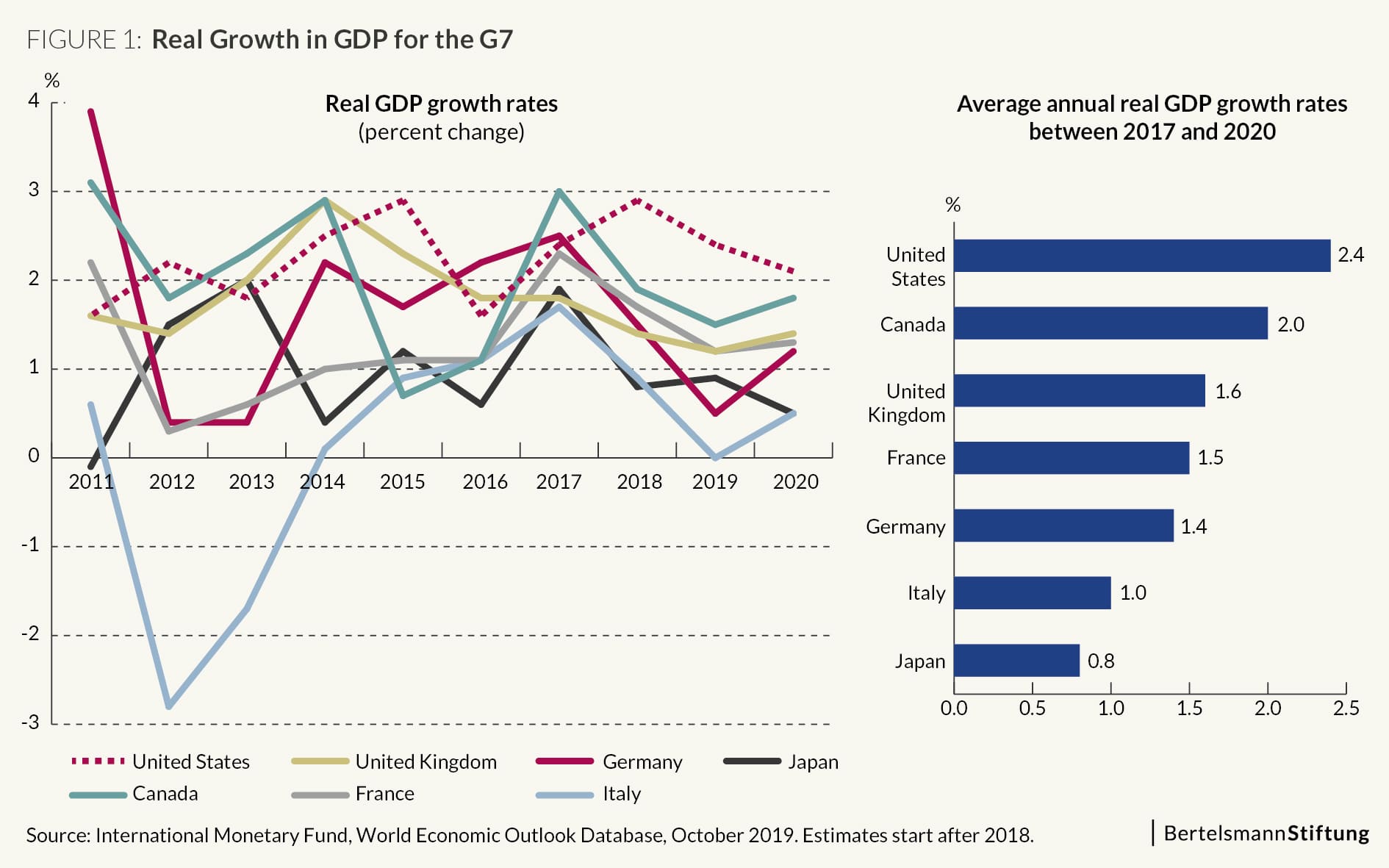
Economic cycles directly impact cyclical industries. During periods of economic growth, these industries often flourish as consumer confidence and spending increase. Conversely, during economic downturns, these industries may experience a decline as consumer spending decreases.
Consumer Spending Habits
Consumer spending habits greatly influence cyclical industries. For example, in times of economic prosperity, consumers are more likely to purchase non-essential or luxury items, thus driving up revenues in these industries.
Government Policies
Government policies, such as tax regulations and fiscal stimulus, can also play a significant role in affecting cyclical industries. Policies that stimulate economic growth can lead to increased consumer spending, benefiting these industries.
Expectations vs Reality
Investors often have expectations about the performance of cyclical industries based on economic forecasts. However, these expectations may not always align with reality. For instance, unexpected economic events such as a sudden economic downturn can swiftly change the trajectory of these industries. Therefore, investors should continuously monitor economic indicators and adjust their strategies accordingly.
What Could Go Wrong
Investing in cyclical industries carries inherent risks. Economic downturns or other unforeseen business disruptions can lead to significant declines in these industries. Furthermore, overreliance on cyclical industries can lead to portfolio imbalance, which might amplify losses during unfavorable economic conditions. Therefore, diversification across different industry sectors is crucial for risk management.
Long-Term Perspective
While cyclical industries can be volatile in the short-term, they often offer strong potential for long-term growth during periods of economic expansion. By understanding the cyclical nature of these industries and adjusting investment strategies accordingly, investors can potentially enhance returns and mitigate risks over the long run.
Investor Tips
- Monitor economic indicators to anticipate potential cyclical industry trends.
- Consider diversification strategies to manage risks associated with cyclical industries.
- Stay informed about government policies that could impact cyclical industries.
This article is intended for informational purposes only, and should not be considered as investment advice or a recommendation to buy or sell any particular security or investment strategy. Always consult with a financial advisor before making investment decisions.



Leave a Reply