

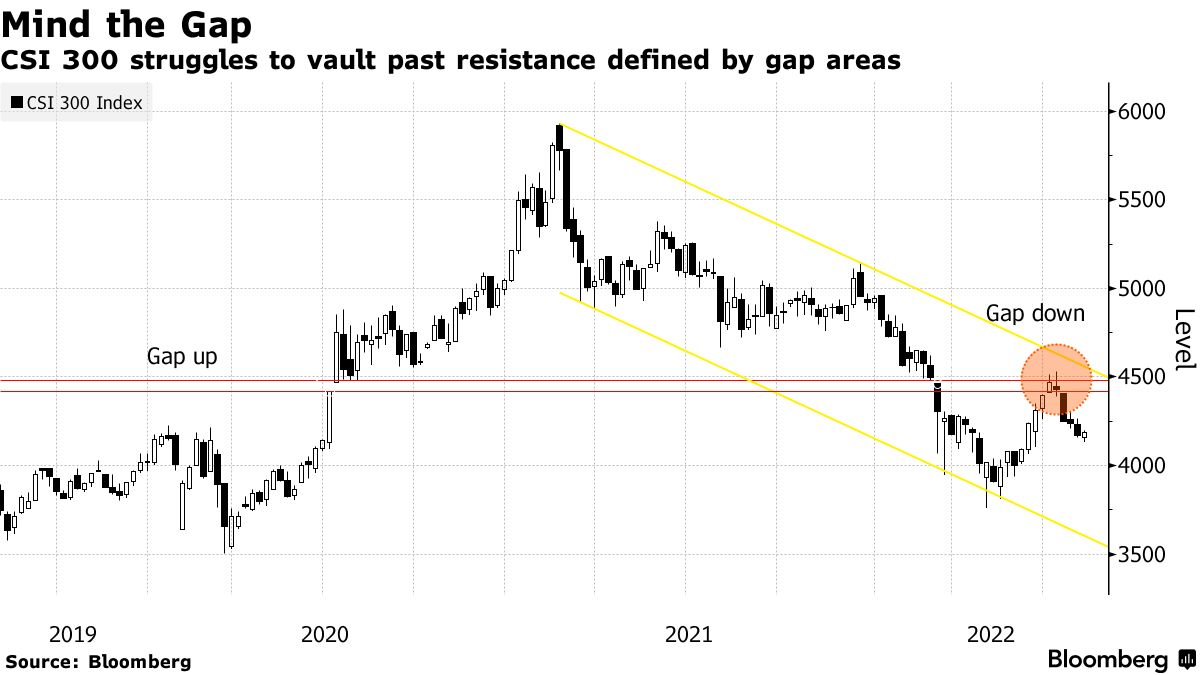
Introduction: The Relevance of Market Cycles
Understanding the stock market cycle is critical for long-term investors. It provides insights into the performance patterns of the US stock market, helping investors make informed decisions and optimize their investment strategies.
Key Business and Financial Drivers
Several key drivers influence the US stock market cycle. These include economic indicators like GDP growth, inflation rates, and unemployment levels. Corporate earnings, interest rates, and geopolitical events also play significant roles in shaping the cycle.
Expectations vs Reality
Investors often base their expectations on past market performance. However, the reality can often deviate from these expectations. For instance, during the bull phase, investors might expect continuous growth, but market corrections or bearish trends can occur unexpectedly. Understanding this discrepancy between expectations and reality can help investors make better decisions.
What Could Go Wrong
Several factors can disrupt the stock market cycle. These include sudden economic downturns, geopolitical crises, or drastic changes in monetary policy. Investors need to be prepared for these risks and have a contingency plan in place to mitigate potential losses.
Long-Term Perspective
While short-term factors can impact the market cycle, it’s crucial to maintain a long-term perspective. Market downturns may present buying opportunities for long-term investors, and bullish phases may be a good time to reap the rewards of previous investments.
Investor Tips
- Understand the phases of the stock market cycle and how they impact your investments
- Stay updated with major economic indicators and geopolitical events
- Keep a long-term perspective and avoid panic selling during market downturns
Disclaimer: The information in this article is for informational purposes only and should not be considered financial advice. Please consult with a financial advisor before making any investment decisions.



Leave a Reply