

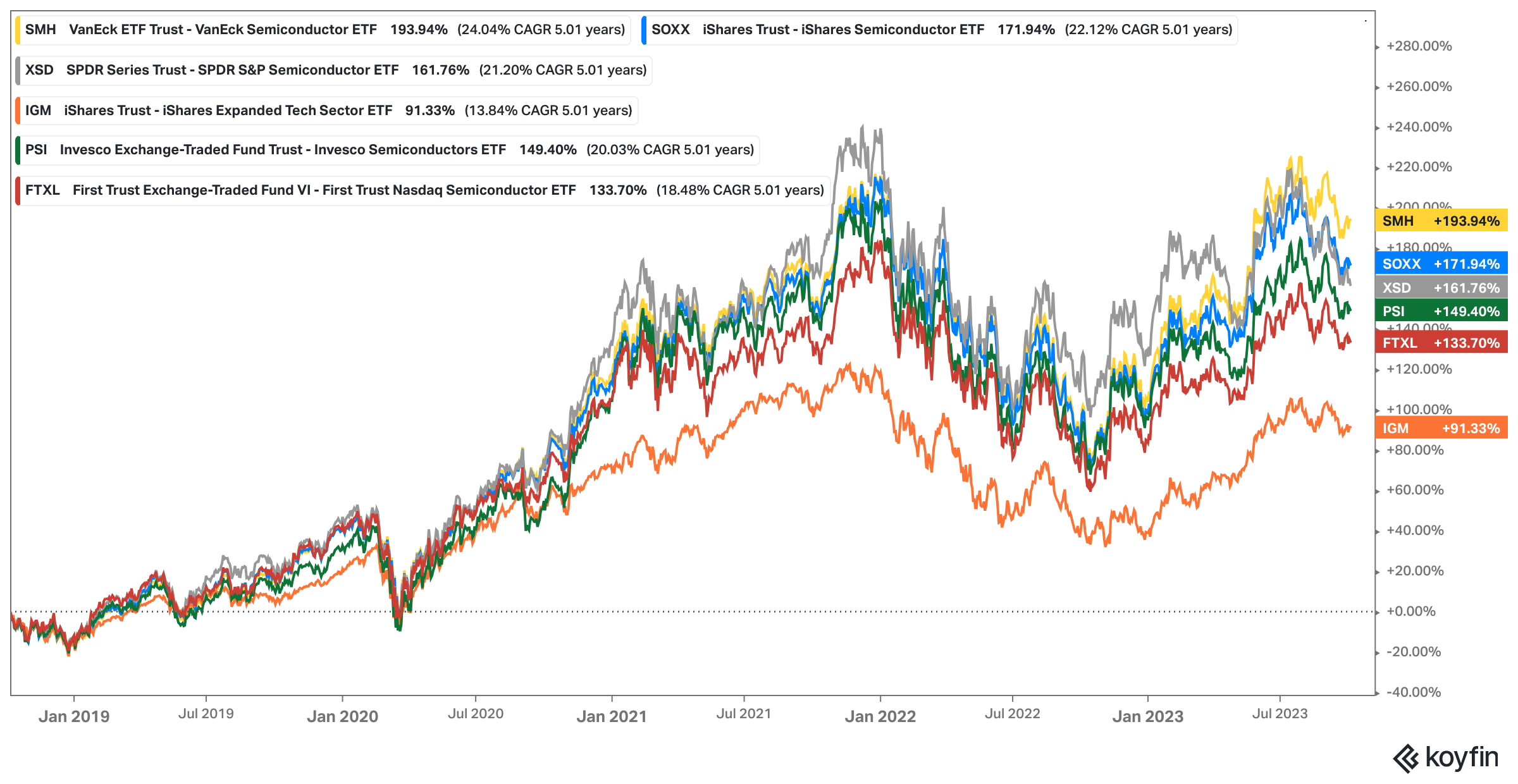
Why Understanding Risk Matters
For long-term investors, understanding risk before chasing returns is a critical part of decision-making. It helps to balance the potential for growth while safeguarding your investments from unexpected downturns. Often, the allure of high returns can blind investors to the inherent risks involved, leading to potentially disastrous financial outcomes.
Key Business and Financial Drivers
Several key business and financial drivers affect investment risk and returns. These include the company’s financial health, market position, competitive dynamics, industry trends, and macroeconomic factors. By understanding these drivers, investors can make more informed decisions about whether the potential returns justify the associated risk.
Financial Health
A company’s financial health directly impacts its ability to generate returns. High debt levels, poor cash flow, and inconsistent earnings can increase investment risk.
Market Position and Competitive Dynamics
A strong market position and competitive advantage can contribute to higher returns. However, these can change rapidly due to market disruptions or shifts in consumer preferences, adding to investment risk.
Expectations vs Reality
The stock market often prices in expectations of future performance. These expectations may not always align with reality, leading to potential overvaluation or undervaluation of stocks. For instance, if a company fails to meet earnings expectations, its stock price may drop, leading to losses for investors who had banked on higher returns.
What Could Go Wrong
Investment comes with inherent risks, and several things could go wrong. Market volatility, economic downturns, changes in industry regulations, or company-specific issues such as poor management decisions or financial irregularities can negatively impact returns. Moreover, unexpected events like a global pandemic can disrupt markets and economies, leading to significant investment losses.
Long-term Perspective
While short-term factors can affect investment returns, it’s essential to maintain a long-term perspective. Market volatility and economic cycles are part of investing, and over time, the impact of these short-term fluctuations often evens out. Sticking to a well-thought-out investment strategy and adjusting it as necessary can help achieve long-term financial goals.
Investor Tips
- Don’t chase returns blindly. Understand the risks involved before making an investment decision.
- Analyze the key business and financial drivers that can impact investment risk and returns.
- Stay updated on market trends and economic indicators.
- Keep a long-term perspective and avoid knee-jerk reactions to short-term market fluctuations.
Disclaimer: This article is for informational purposes only and should not be considered as financial advice. Always do your own research and consult with a professional advisor before making investment decisions.



Leave a Reply