

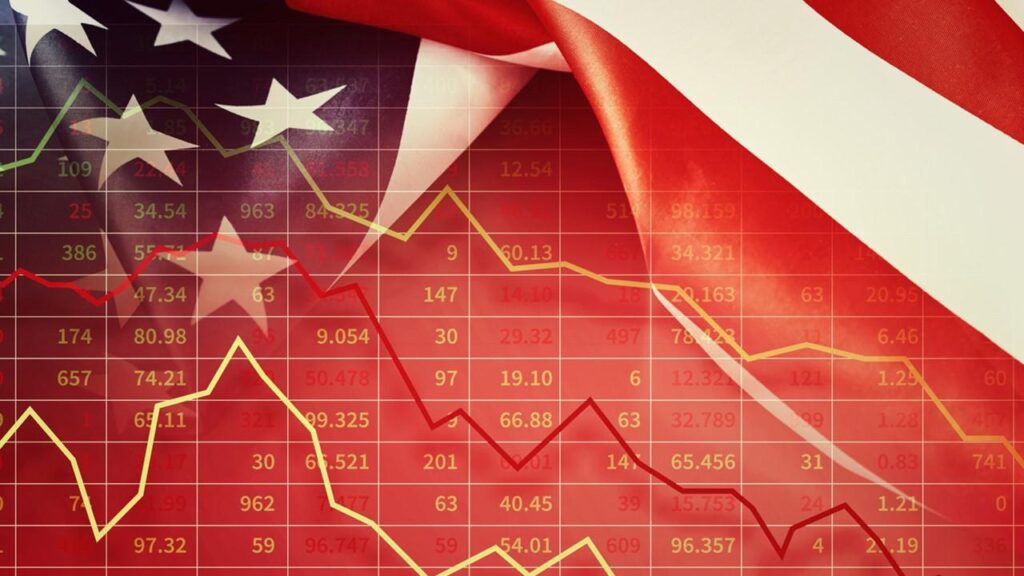
Introduction: Why US Equity Downside Risk Matters
As an investor, understanding the potential downside risk in the US equity market is crucial. This knowledge can help you mitigate losses, optimize your investment strategy, and navigate volatile markets more confidently.
Key Business and Financial Drivers
Several factors drive the downside risk in US equities. Market volatility, economic indicators, geopolitical tensions, and company-specific factors are just a few examples. Understanding these factors can help investors identify potential threats and opportunities within their portfolios.
Market Volatility
Market volatility is often a precursor to downside risk. As such, investors need to monitor volatility indices and market sentiment indicators closely.
Economic Indicators
Economic indicators such as GDP growth, unemployment rates, and inflation can also influence downside risk. Negative trends in these indicators may signal potential downside risk in the market.
Geopolitical Tensions
Geopolitical tensions can introduce uncertainty into the market, potentially leading to increased downside risk. Investors should keep an eye on global news and developments.
Expectations vs Reality
Investors often form expectations based on past performance, industry trends, or market sentiment. However, the reality can sometimes deviate from these expectations, presenting both risks and opportunities. For example, a company might underperform due to unforeseen challenges, or it may exceed expectations due to successful strategic initiatives.
What Could Go Wrong
Several things could go wrong in the equity markets. Unanticipated market events, such as a sudden economic downturn, a spike in geopolitical tensions, or a company-specific crisis, can trigger a significant downside. Therefore, it’s essential to have a contingency plan in place to manage these potential risks.
Long-term Perspective
While short-term factors can influence the market’s trajectory, it’s crucial to maintain a long-term perspective. Over the long term, the market has historically proven to be resilient, with periods of downturn often followed by recovery and growth phases. Therefore, investors should consider downside risk as part of a broader, long-term investment strategy.
Investor Tips
- Stay informed about market developments and economic indicators.
- Have a contingency plan in place to manage potential downside risks.
- Maintain a long-term investment perspective, regardless of short-term market volatility.
This article is provided for informational purposes only and should not be construed as investment advice. Always conduct your own research and consult with a professional before making investment decisions.



Leave a Reply