

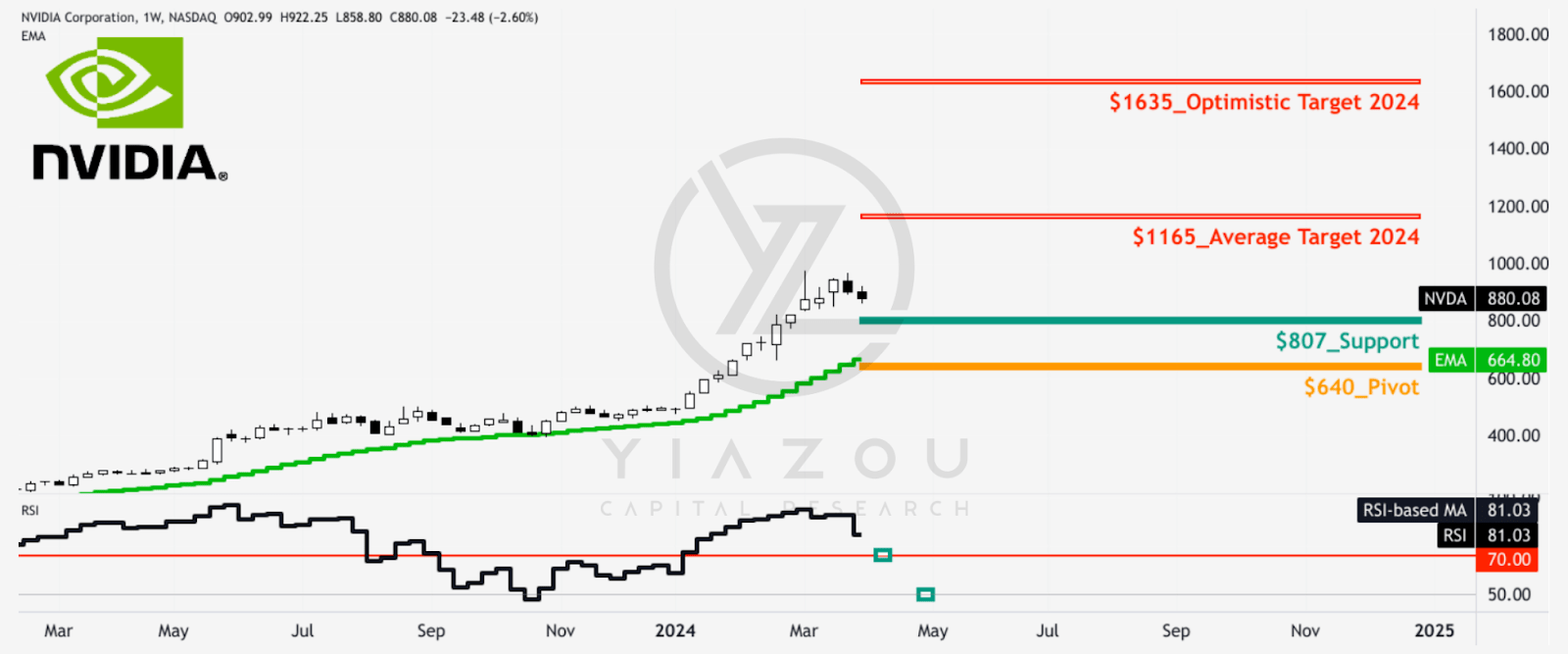
Introduction
For long-term investors, the ability to accurately value stocks is a critical skill. It allows them to identify investment opportunities, manage risks, and ultimately generate sustainable returns. The following analysis provides a practical framework for long-term stock valuation, focusing on crucial business and financial drivers, expectation versus reality, and potential risks.
Key Business and Financial Drivers
Understanding the key business and financial drivers of a company is vital in long-term stock valuation. These factors directly influence a company’s profitability and future growth prospects, thereby affecting its intrinsic value. The key drivers include revenue growth, profit margins, cash flow stability, and return on invested capital.
Revenue Growth
Revenue growth is a reflection of a company’s ability to expand its customer base, introduce new products or services, or penetrate new markets. A consistent and sustainable revenue growth suggests a robust business model and a strong competitive advantage.
Profit Margins
Profit margins indicate a company’s efficiency in converting revenue into profits. A high-profit margin implies superior operational efficiency, cost management, and pricing power.
Cash Flow Stability
Stable cash flows provide a cushion against economic downturns and allow a company to invest in growth opportunities. It is an essential factor to assess a company’s financial health and resilience.
Return on Invested Capital
Return on invested capital (ROIC) measures how effectively a company uses its capital to generate profits. A high ROIC suggests that the company is capable of creating value for its shareholders.
Expectations vs Reality
Investors often form expectations about a company’s future performance based on its historical data and market trends. However, these expectations may not always align with reality. Factors such as changes in market conditions, competitive dynamics, regulatory changes, and management decisions can significantly influence a company’s performance, leading to a deviation from the expected results.
What Could Go Wrong
Despite the best analysis and due diligence, things can go wrong in stock investment. Market volatility, economic downturns, changes in industry trends, management missteps, and unforeseen events can negatively impact a company’s performance and its stock value.
Long-Term Perspective
While short-term factors can cause fluctuations in stock prices, long-term investors should focus on the company’s underlying fundamentals and growth prospects. The ability to hold onto stocks during periods of market volatility can result in significant returns in the long run.
Investor Tips
- Understand the company’s business model and financials.
- Analyze the key business and financial drivers.
- Assess the expectations and compare them with the actual performance.
- Be aware of potential risks and be prepared for unexpected events.
This article is for informational purposes only and does not constitute investment advice. Always do your own research and consult with a professional financial advisor before making any investment decisions.





Leave a Reply