

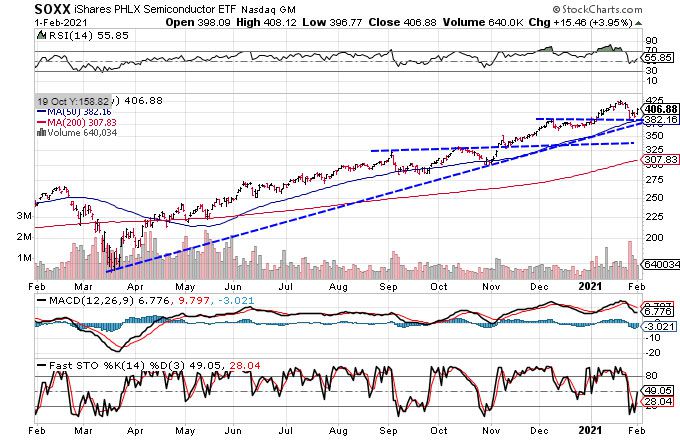
Why Market Cycles Matter to Investors
Investors cannot afford to ignore market cycles. These cycles, which involve periods of economic expansion and contraction, can significantly impact investment returns. Recognizing and understanding these cycles can provide valuable context for investment decisions and help investors manage risk.
Key Factors Driving Market Cycles
Several key factors can trigger and drive market cycles. These include changes in interest rates, credit availability, and investor sentiment. Additionally, broader economic trends and geopolitical events can also influence these cycles.
Expectations vs. Reality
Investors often base their expectations on the assumption that market cycles will follow a predictable pattern. However, the reality is that these cycles can be influenced by a wide range of unforeseen events. Therefore, it’s crucial for investors to stay adaptable and be prepared for unexpected shifts in the market.
What Could Go Wrong
One of the biggest risks for investors is misjudging the timing of market cycles. If investors enter the market at the wrong time, they could potentially face significant losses. Additionally, over-reliance on historical data can lead to mispricing of risk and incorrect investment decisions.
Long-Term Perspective
While market cycles can cause short-term volatility, it’s essential to maintain a long-term perspective. Over time, the impact of these cycles tends to smooth out, and the fundamental value of an investment will be more apparent. Therefore, investors should focus on identifying high-quality investments that can deliver sustainable returns over the long term.
Investor Tips
- Stay informed about economic trends and market indicators.
- Consider your risk tolerance and investment horizon when making investment decisions.
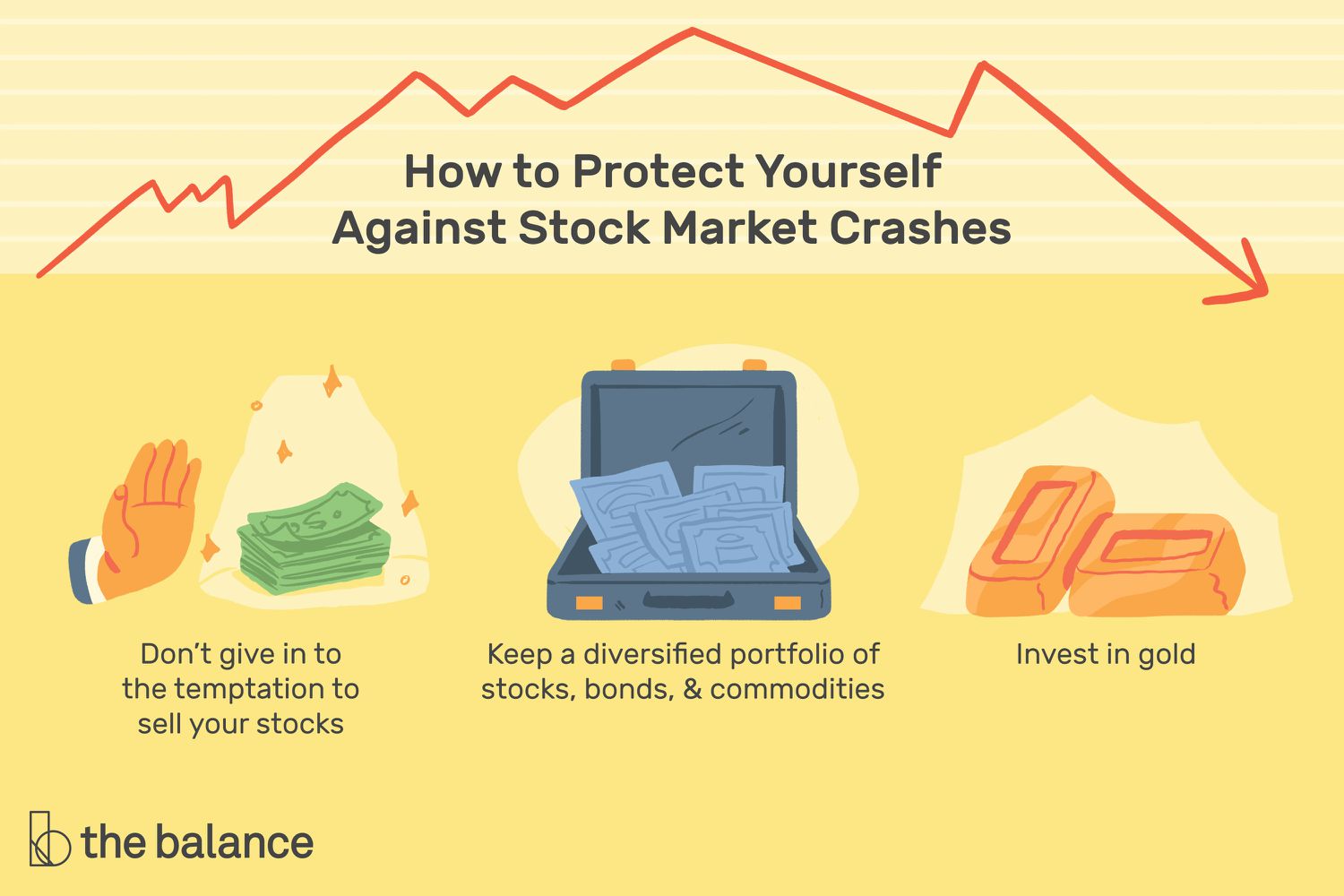
- Don’t try to time the market. Instead, focus on building a diversified portfolio.
Disclaimer: This article is for informational purposes only and should not be taken as investment advice. Always conduct your own research or consult with a financial advisor before making investment decisions.


Leave a Reply