

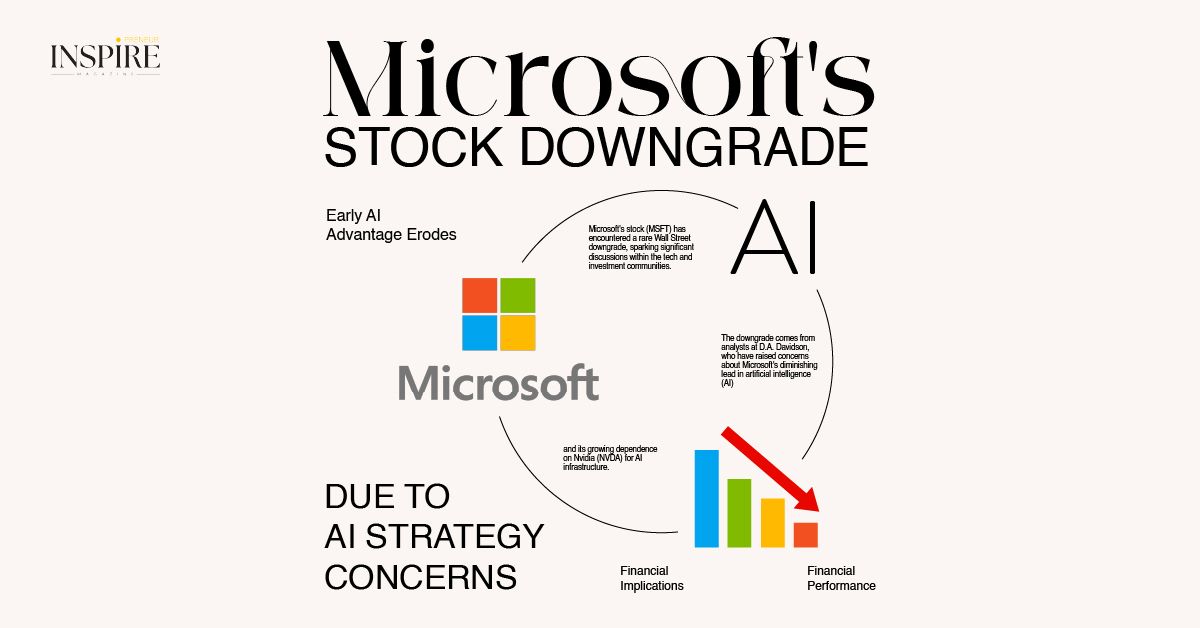
Why Understanding Margin Stability Matters
Margin stability in mature US companies is a crucial aspect for long-term investors. It helps in assessing the strength of a company’s financial health, its ability to generate consistent profits over time, and the predictability of future earnings. This, in turn, can significantly influence the company’s stock price.
Key Business or Financial Drivers
There are several key business or financial drivers that can influence margin stability. These include the company’s cost control efficiency, pricing power, competition in the market, and innovation capabilities.
Cost Control Efficiency
Companies with efficient cost control mechanisms can maintain stable margins even during economic downturns. This ability to manage costs effectively is a signal of strong operational efficiency, which may lead to sustained profit margins.
Pricing Power
A company’s ability to raise prices without losing customers is another crucial driver. High pricing power indicates strong brand value and customer loyalty, which can help maintain stable margins.
Expectations vs Reality
Investors often expect mature companies to have stable margins due to their established market position and operational efficiency. However, this is not always the case. Factors like increased competition, market saturation, and economic downturns can squeeze margins. Therefore, it’s essential for investors to scrutinize the company’s historical margin performance and its business strategies to manage potential threats.
What Could Go Wrong
Several factors could potentially disrupt margin stability. Unexpected increases in raw material prices, changes in labor costs, and regulatory changes are some of the risks. Additionally, failure to innovate and adapt to changing market trends can also lead to decreasing margins over time.
Long-term Perspective
While short-term factors can influence a company’s margins, it’s important to keep a long-term perspective. A temporary squeeze in margins does not necessarily indicate a long-term problem if the company has a solid strategy to navigate through these challenges. Investors should focus on the company’s long-term plan for growth and margin expansion.
Investor Tips
- Analyze the company’s historical margin trends.
- Assess the company’s strategies to manage costs and enhance pricing power.
- Understand the potential risks that could disrupt margin stability.
Disclaimer
This article is for informational purposes only and should not be considered as investment advice. Always do your own research or consult with a financial advisor.




Leave a Reply