


Why Understanding Historical Data Matters
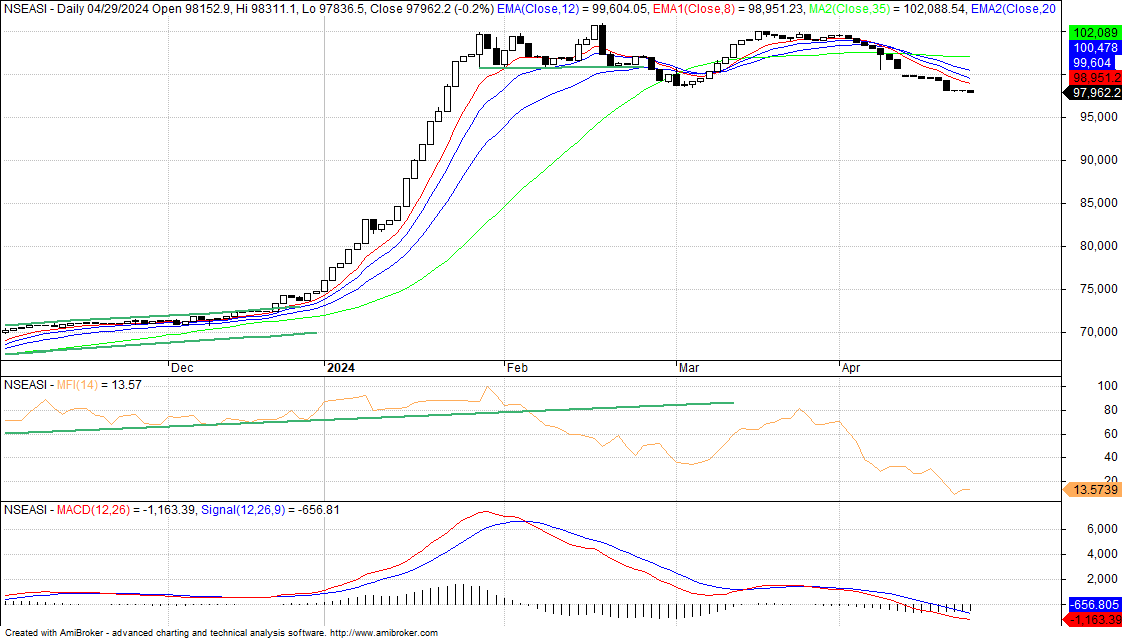
Historical data serves as a critical tool for investors, offering insights into a company’s past performance and potential future trajectory. By analyzing this data, investors can form a comprehensive picture of a stock’s intrinsic value, aiding in making informed investment decisions.
Key Business and Financial Drivers
Several factors can influence a stock’s value. These include the company’s earnings growth, profitability, debt levels, and cash flow. Historical data can provide insights into these factors, giving investors a glimpse into the company’s financial health and stability.
Earnings Growth
Historical earnings data can give investors an idea of a company’s growth trend. A consistent increase in earnings may suggest a stable and growing business.
Profitability
Examining past profitability data can help investors understand a company’s ability to generate profits over time, an important factor in assessing stock value.
Expectations vs. Reality
Investors often have certain expectations about a company’s future performance based on its historical data. However, past performance does not always guarantee future results. Therefore, it’s crucial to take into account other potential influencing factors such as market conditions, competition, and company strategy when making investment decisions.
What Could Go Wrong
Using historical data for stock valuation is not without its risks. A company’s past performance may not be indicative of its future results. Market conditions can change rapidly, and unforeseen circumstances such as economic downturns or changes in industry regulations can significantly impact a company’s performance.
The Long-Term Perspective
While historical data can provide valuable insights, it’s important for investors to maintain a long-term perspective. Short-term fluctuations in stock prices can be influenced by various factors and may not necessarily reflect a company’s intrinsic value. Considering multi-year trends and outcomes can provide a more accurate picture of a company’s potential for long-term growth.
Investor Tips
- Investors should use historical data as one tool among many when making investment decisions.
- It’s crucial to consider both quantitative and qualitative factors when evaluating a stock’s potential value.
- Investors should maintain a long-term perspective and not be swayed by short-term market fluctuations.
Disclaimer: This article is for informational purposes only and should not be taken as investment advice. Always conduct your own research before making any investment decisions.




Leave a Reply