

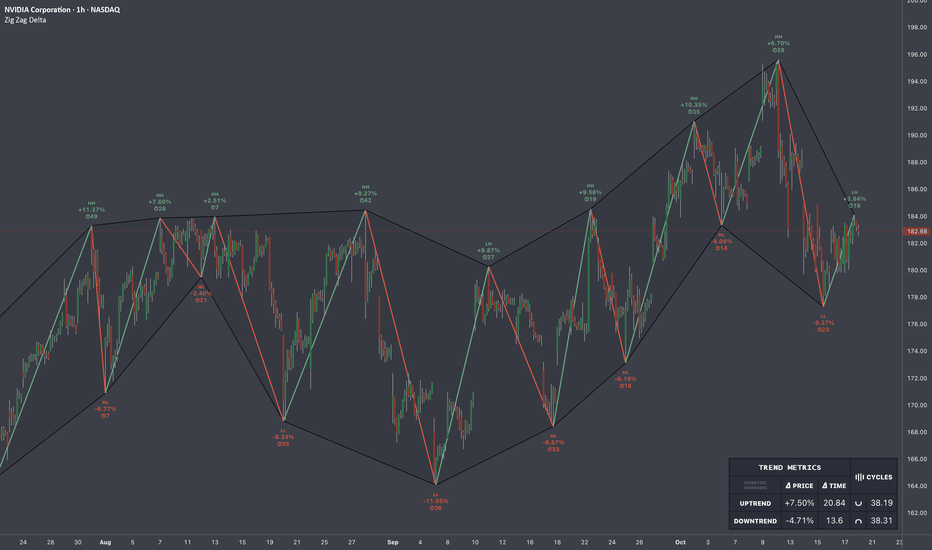
Why Responsible Use of Valuation Matters
As an investor, the responsible use of valuation is a critical element in making sound decisions. It provides a foundation for understanding the actual worth of a company, distinguishing between overpriced and undervalued stocks, and making profitable long-term investments.
Key Business and Financial Drivers
Several key drivers influence a company’s valuation. Understanding these drivers allows investors to make informed decisions about a company’s future performance.
Revenue Growth
Steady revenue growth is a positive signal for investors, as it suggests a company’s ability to generate consistent profit over time. However, investors should also consider the sources of this growth, whether it’s sustainable, and its long-term implications.
Profit Margins
Profit margins indicate a company’s efficiency at turning revenue into profit. High margins could indicate strong competitive advantages and operational efficiency. Yet, it’s important to evaluate whether these margins are sustainable in the long run.
Expectations vs Reality
Valuations are often influenced by market expectations about a company’s future performance. But these expectations can sometimes be unrealistic, leading to inflated valuations. For instance, the market may expect a company to maintain high growth rates in the future, but factors such as market saturation or increasing competition could slow this growth. Hence, it is crucial for investors to assess whether current valuations align with realistic future projections.
What Could Go Wrong
Incorrect valuation can lead to significant investment risks. Overvaluation could result in capital loss if the company’s performance doesn’t meet market expectations. Conversely, undervaluation may result in missed opportunities for profit. Additionally, external factors like changes in economic conditions or regulatory policies can also affect a company’s valuation.
Long-Term Perspective
While short-term factors can influence a company’s valuation, it’s important for investors to maintain a long-term perspective. This involves considering the company’s strategic direction, market position, and long-term growth potential. A long-term perspective can help navigate short-term market volatility and make more informed investment decisions.
Investor Tips
- Always contextualize valuation metrics within the broader industry and market trends.
- Consider both the qualitative (management quality, competitive landscape) and quantitative (financial ratios, growth rates) aspects of a company.
- Regularly revisit your valuation assumptions and adjust them based on new information.
This article is for informational purposes only and does not constitute financial advice. Always do your own research and consult with a professional financial advisor before making investment decisions.




Leave a Reply