

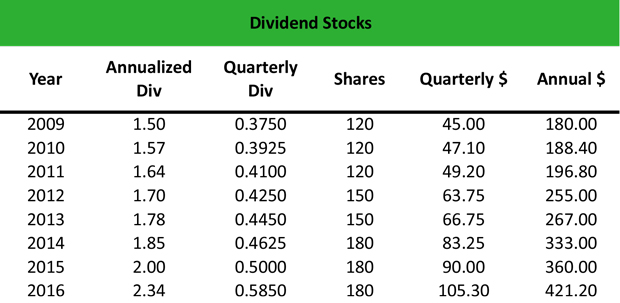
Why Reinvestment and Returns Matter
For long-term stock investors, understanding the significance of reinvestment and returns is crucial. It helps in evaluating a company’s potential for growth, its financial stability, and the ability to generate shareholder wealth over time. Ultimately, it provides insight into whether a stock is likely to offer a satisfactory return on investment in the long run.
Key Business and Financial Drivers
Several key factors drive reinvestment and returns. These include a company’s earnings growth, its reinvestment rate, return on reinvested capital, and the sustainability of these factors over time. A company with a high reinvestment rate and a high return on reinvested capital is likely to offer attractive long-term returns.
Expectations vs Reality
Stock prices often reflect market expectations of future earnings growth and returns. However, the reality can diverge significantly from these expectations due to various factors such as changes in market conditions, competition, and company-specific issues. Therefore, investors should not only consider the current stock price but also analyze the underlying factors driving reinvestment and returns.
What Could Go Wrong
Several factors could negatively impact reinvestment and returns. For instance, a company might fail to generate sufficient earnings growth despite a high reinvestment rate. Alternatively, a company might face diminishing returns on reinvested capital due to factors such as increased competition or changing market conditions. This could result in lower-than-expected long-term returns for investors.
A Long-Term Perspective
While short-term factors can impact a company’s reinvestment and returns, it’s important for investors to maintain a long-term perspective. This means considering how these short-term factors could impact the company’s long-term earnings growth and return potential. For instance, a temporary downturn might provide a company with opportunities to reinvest at attractive rates, potentially boosting long-term returns.
Investor Tips
- Analyze a company’s earnings growth and reinvestment rate over time.
- Consider the return on reinvested capital and whether it’s sustainable.
- Don’t just focus on the stock price; consider the underlying factors driving reinvestment and returns.
- Maintain a long-term perspective when evaluating a company’s reinvestment and return potential.
Disclaimer: This article is intended for informational purposes only. It’s not a recommendation to buy or sell any security. Always conduct your own due diligence before making any investment decision.



Leave a Reply