

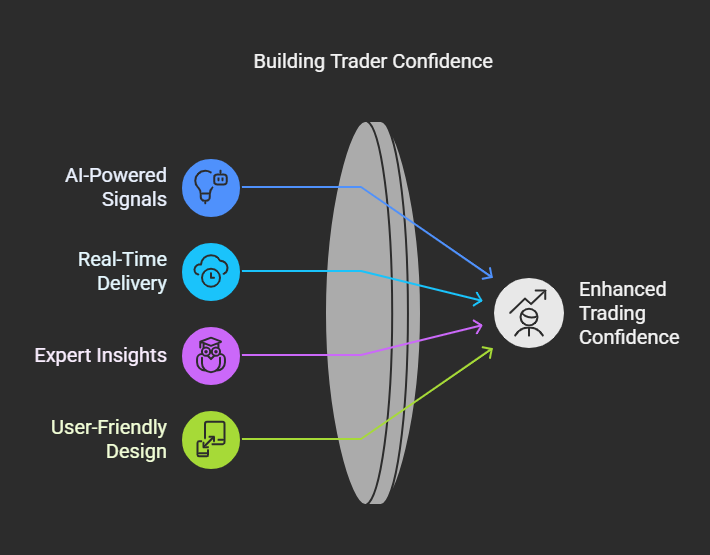
Why This Topic Matters to Investors
Understanding the balance between confidence and overconfidence in investment decisions is vital to long-term success. Overconfidence can lead to risky behaviors and losses, while a lack of confidence can result in missed opportunities. This article explores the importance of building confidence without overconfidence for long-term stock investors.
Key Business or Financial Drivers
The core investment question behind the topic is: How can investors build confidence in their investment decisions without becoming overconfident and risking potential losses?
Investors should focus on the fundamentals of a company, such as its revenue growth, profit margins, and competitive landscape. Confidence should be derived from a solid understanding of these elements, rather than fleeting market trends or emotional reactions.
Expectations vs Reality
Investors often anticipate high returns without fully considering the potential risks. This is where overconfidence can distort the reality of investing. Realistically, not all investments will yield high returns, and some may even result in losses. Sound investment decisions involve managing expectations with an understanding of the potential risks and rewards.
What Could Go Wrong
Overconfidence can lead to several pitfalls. Investors may overlook critical information, underestimate risks, or overestimate their ability to predict market movements. These mistakes can result in financial losses and missed opportunities. Therefore, maintaining a balanced perspective and continuously learning and adapting is crucial.
Long-Term Perspective
While short-term market fluctuations can influence investment decisions, long-term success requires a focus on the bigger picture. This involves understanding a company’s long-term prospects and making decisions based on comprehensive analysis rather than short-term trends.
Investor Tips
- Always conduct thorough research and analysis before making investment decisions.
- Stay informed about market trends and changes in the business landscape.
- Avoid making decisions based on emotions or short-term market fluctuations.
- Regularly review and adjust your investment portfolio as necessary.
Disclaimer: The information in this article is provided for informational purposes only and should not be considered financial or investment advice. Always conduct your own research and consult with a professional financial advisor before making investment decisions.



Leave a Reply