

Why Spotting Value Traps Matters
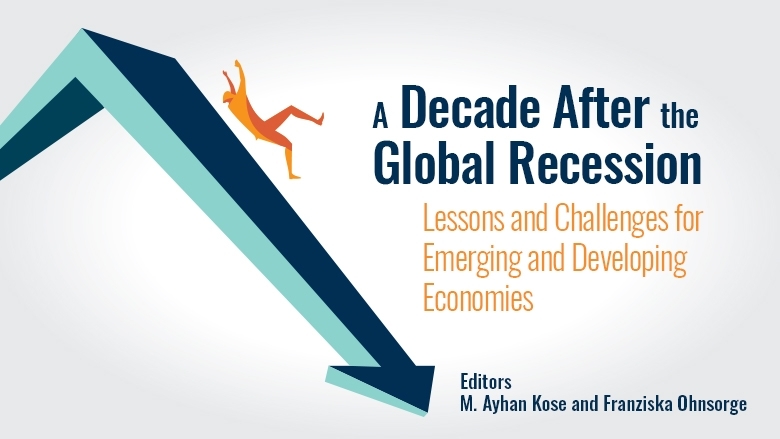
For long-term stock investors, the ability to distinguish between a genuine value opportunity and a value trap is critical. A stock may appear cheap based on traditional valuation multiples, yet it could be a value trap if its business fundamentals are deteriorating. Therefore, understanding how to spot a value trap can help investors avoid costly mistakes and improve their investment returns over the long haul.
Key Business and Financial Drivers
Business Model Sustainability
The sustainability of a company’s business model is a key driver to watch. If a company’s competitive advantage is eroding, or if it operates in an industry facing structural decline, its stock could be a value trap regardless of how cheap it appears.
Financial Health
Sound financial health is another important driver. Companies with high levels of debt, poor cash flow, or inconsistent earnings may face challenges that could lead their stocks into value trap territory.
Expectations vs Reality
Often, a stock appears cheap because the market has already priced in negative expectations about the company’s future. If the company can’t meet even these low expectations – for instance, if its revenues decline faster than expected, or if its costs rise more than anticipated – then its stock may become a value trap.
What Could Go Wrong
Several factors could potentially go wrong that could turn a seemingly cheap stock into a value trap. For example, if the company’s strategic initiatives fail to generate the expected returns, if it loses market share to its competitors, or if it faces regulatory or legal issues, its stock could end up being a value trap.
Long-Term Perspective
While short-term factors can cause a stock to appear cheap, it’s important to connect these factors to their potential multi-year outcomes. A company facing temporary headwinds may recover over time, while a company with structural issues may continue to struggle. Thus, a long-term perspective can provide valuable insights into whether a stock is a value trap or a genuine value opportunity.
Investor Tips
- Focus on the sustainability of the company’s business model and its financial health, not just its valuation multiples.
- Consider the expectations already priced into the stock and compare them with your own expectations about the company’s future.
- Think about what could go wrong and how it could impact the company over the long term.
Disclaimer: This article is for informational purposes only and is not intended to be a substitute for professional investment advice. Always do your own research before making any investment decisions.



Leave a Reply