

Why This Topic Matters to Investors
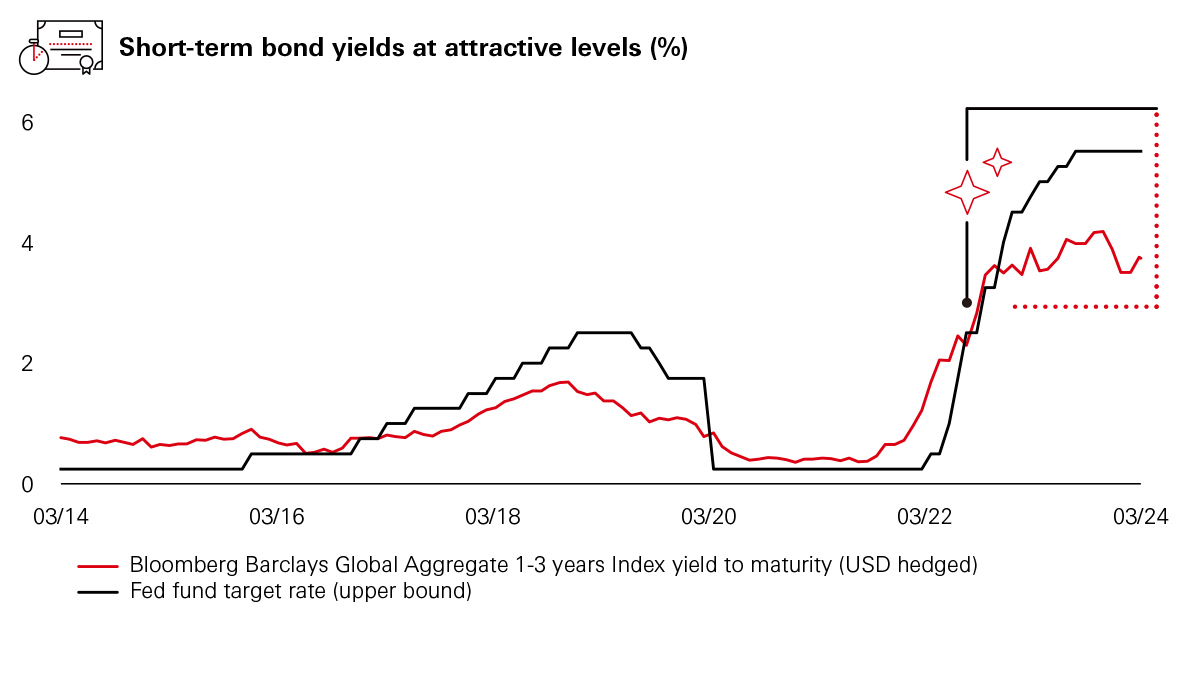
Interest rates are a significant determinant of investment decisions, affecting both the cost of borrowing and the return on savings. Uncertainty in interest rates can introduce volatility and risk in the investment landscape. Understanding how to navigate this uncertainty can help investors make informed decisions, mitigate risks, and optimize returns.
Analysis of Key Business or Financial Drivers
Interest rates influence the earnings potential of businesses and, by extension, their stock prices. High interest rates can increase borrowing costs, potentially lowering profit margins for businesses reliant on debt. Conversely, low interest rates can spur economic growth, benefiting companies in growth sectors.
Expectations vs Reality
Investors often anticipate interest rate changes and adjust their investment strategies accordingly. However, these expectations may not always align with actual rate changes, potentially leading to mispriced investments. For example, if the market expects a rate hike that doesn’t materialize, growth stocks may be undervalued, presenting a potential investment opportunity.
What Could Go Wrong
Uncertainty in interest rates can lead to market instability and increased investment risk. If rates rise unexpectedly, heavily leveraged companies could face financial distress, potentially leading to a fall in their stock prices. Conversely, if rates fall, companies in sectors like banking can see their net interest margins shrink, negatively affecting profits.
Long-term Perspective
While short-term interest rate fluctuations can impact immediate investment decisions, it’s crucial to maintain a long-term perspective. Over time, quality businesses can adjust to changing interest rates, and their stock prices may reflect this resilience. Thus, investing in fundamentally strong companies can be a viable strategy in times of interest rate uncertainty.
Investor Tips
- Stay informed about monetary policy trends and potential interest rate changes.
- Consider diversification to spread risk across different sectors and asset classes.
- Look for fundamentally strong companies that can withstand interest rate fluctuations.
Please note: This article is intended to provide general information and does not constitute financial advice. Every investment decision should be based on thorough research and consideration of personal circumstances.


Leave a Reply