

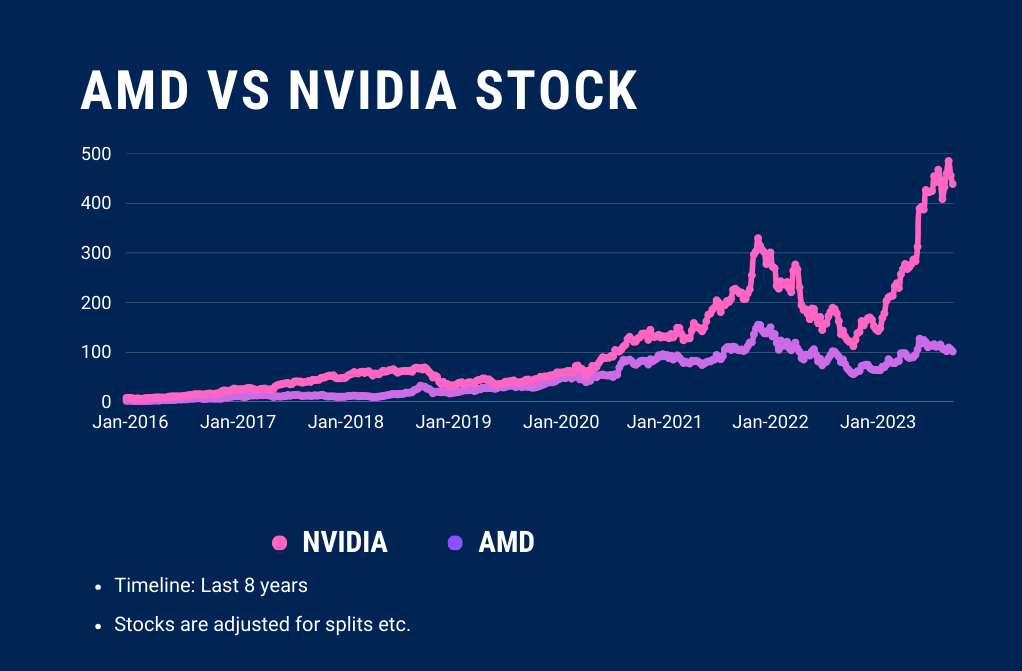
Why This Topic Matters to Investors
Investors are always challenged with the decision of when to hold or reassess their investment thesis. Knowing the right time to act can be the difference between maximising returns and incurring losses. This article discusses key factors to consider when deciding whether to hold or reassess an investment thesis.
Key Business or Financial Drivers
An investment thesis is built upon business or financial drivers that are expected to propel the stock’s value. These can be the company’s competitive edge, market position, financial health, and growth potential.
- Competitive edge: Does the company have a unique product, technology, or strategy that sets it apart from its competitors?
- Market position: Is the company a market leader or does it have the potential to become one?
- Financial health: Does the company have a solid financial structure that supports growth and can weather downturns?
- Growth potential: Are there unexplored markets or untapped opportunities that the company can capitalize on?
Expectations Vs Reality
Investors need to constantly evaluate if the company is living up to their expectations. If the company is not delivering on its promises or if the market conditions have changed drastically, it may be time to reassess the investment thesis.
What Could Go Wrong
Investments are always subject to risks and uncertainties. A change in management, introduction of regulatory policies, competition, and market volatility could potentially derail the investment thesis.
Long-term Perspective
While short-term factors can have an immediate impact on the stock price, it is important for investors to always keep a long-term perspective. The ability to navigate through short-term volatility while keeping an eye on the long-term vision of the company can result in substantial returns.
Investor Tips
- Always keep an eye on the company’s performance and the market conditions.
- Be patient and avoid knee-jerk reactions to short-term volatility.
- Reassess your investment thesis if the company fails to deliver on its promises or if the market conditions change drastically.
Disclaimer: This article is for informational purposes only and should not be considered as investment advice. Always do your own research or consult with a financial advisor before making investment decisions.



Leave a Reply